
Looking for a healthy, gentle, yet highly effective way to prepare food? Then a steam cooker will be a great help for you! However, choosing one isn't as simple as it might seem.
There are different types, sizes and materials, and each model has its advantages and limitations. And because a steam cooker isn't an appliance you buy every year, it's good to know what to focus on when choosing one and how to recognise the right one for your kitchen.
Need a steam cooker? Great for healthy cooking!
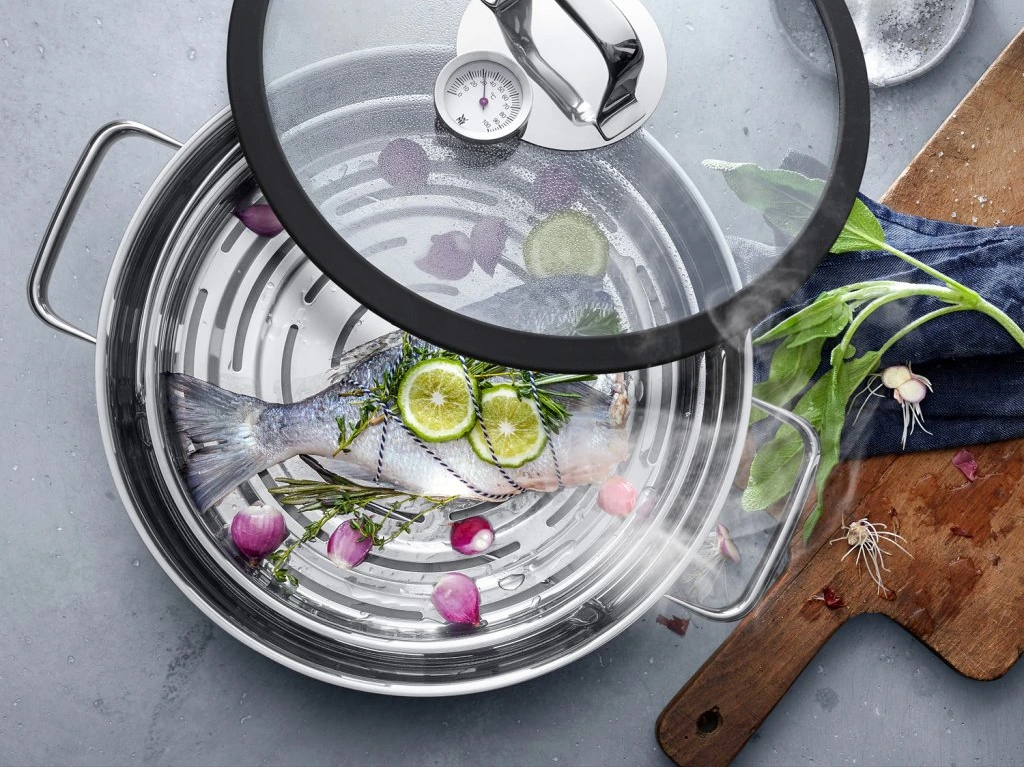
Quality steam cookers
Key decision
Electric or stovetop?
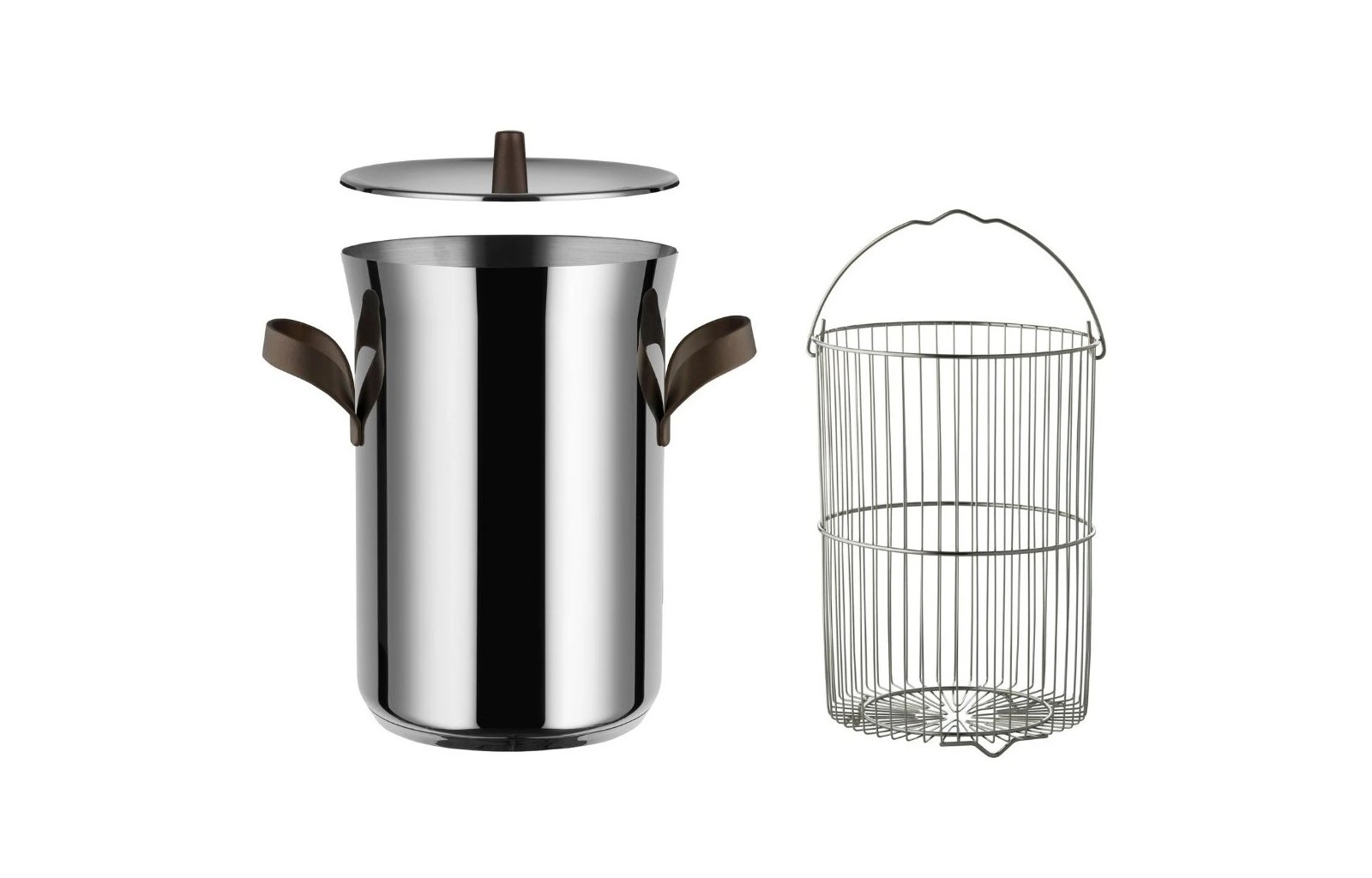
Stovetop steam cooker
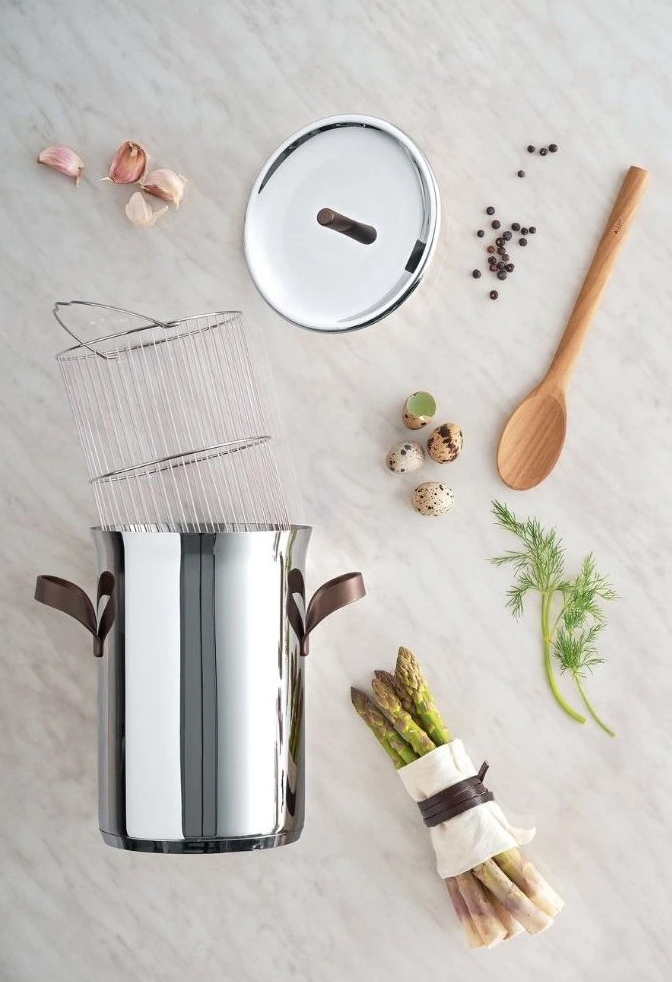
A traditional solution consisting of a pot with water and one or more steaming inserts. It doesn't rely on electricity, is usually made of stainless steel and offers a long service life.
Advantages:
- simple design without electronics
- high durability
- can also be used as a regular cooking pot
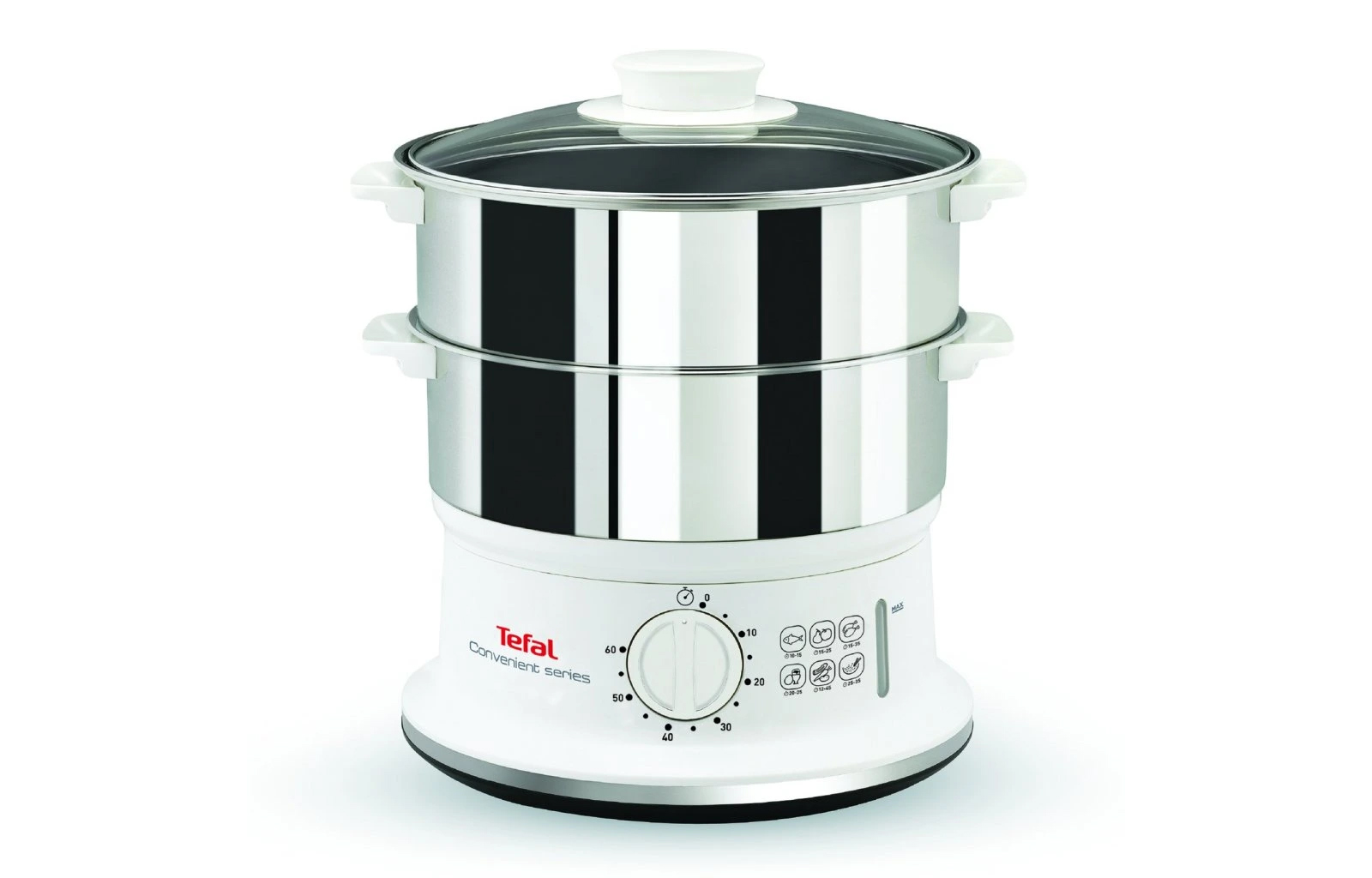
Electric steam cooker
A separate appliance with its own heating element and usually digital controls. It offers several tiers, automatic programmes and functions such as a timer or keep-warm feature.
Advantages:
- independent device, doesn't block the hob
- advanced functions and timer
- ideal for frequent cooking without the need to watch over it
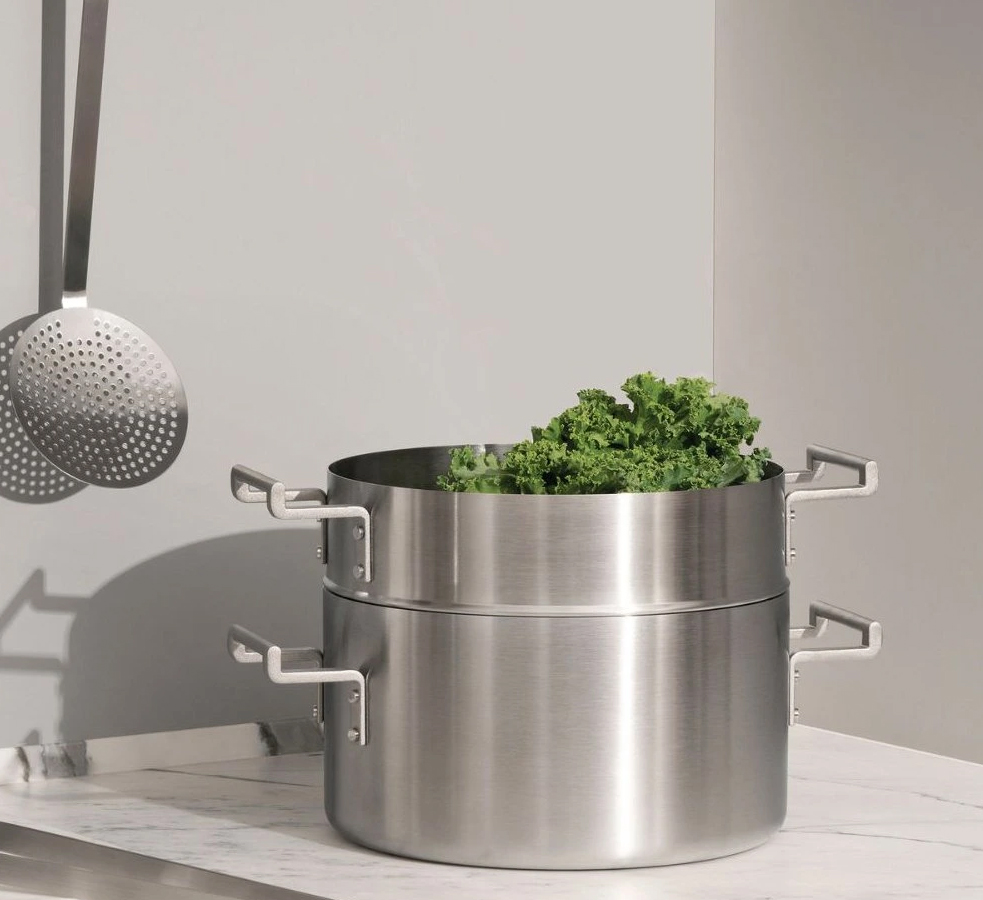
Steam cooker material: quality you can see at first glance
Stainless steel is an ideal choice for those looking for durability, easy cleaning and a long service life. Suitable for all types of hobs, including induction, and looks good even after years of use.
Plastic containers, which you'll find in most electric models, should be heat-resistant and free from harmful substances (BPA free). High-quality plastics don't absorb odours and don't transfer flavours between different tiers.
If you want a combination of aesthetics and practicality, opt for a model with a stainless steel body and transparent steaming baskets – you'll have an overview of what's going on inside, and you'll also get a durable appliance.
Our tip
Read also

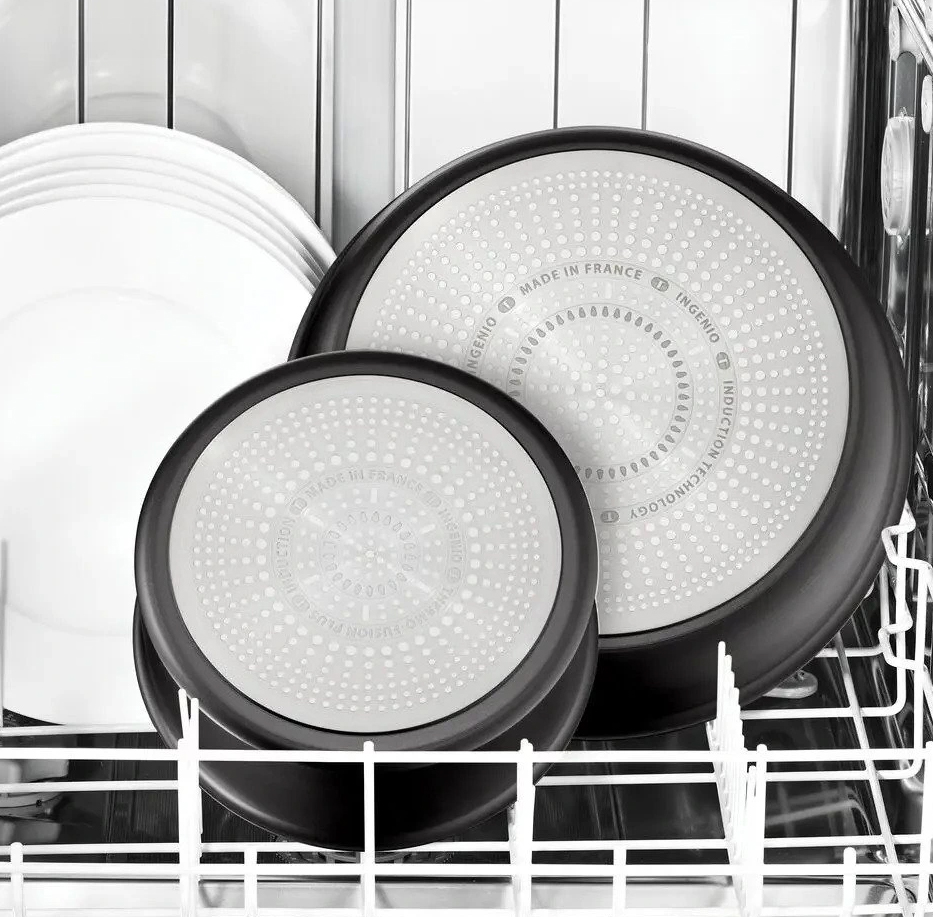
What cookware can be washed in the dishwasher?
It's probably clear to you that not all cookware is suitable for dishwashers. Some materials may be damaged, lose their shine, or simply aren't built for automatic washing. We'll advise you on which dishes are safe to wash in the dishwasher and which ones to watch out for.

Electric steam cooker:
Features that make cooking easier
The more often you cook in a steamer, the more you'll appreciate these features:
- Timer – set the cooking time and you don't have to keep an eye on anything
- Automatic programmes – a one-button selection for vegetables, rice, eggs or fish
- Keep warm – food stays warm even if you're late serving
- Delayed start – ideal for preparing breakfast in the morning or when you get back from work
- Water level indicator – helps you add water without interrupting cooking
Practical tips for everyday use
How to get the most out of your steam cooker
A steam cooker is more than just a tool for cooking vegetables. With the right use and planning, you can save time, reduce the amount of washing up, and prepare a complete meal for the whole family – with minimal effort.
Cook in layers – the whole meal at once:- Place the ingredients that need the longest cooking time at the bottom (e.g. potatoes, rice, tougher vegetables such as carrots or broccoli)
- Fish, chicken, more delicate vegetables or eggs belong on top.
Don't underestimate seasoningAdd salt, herbs and spices after cooking. Steam is gentle but doesn't transfer flavours as intensely as water or fat. For a more pronounced flavour, marinate ingredients beforehand or lightly season with butter, olive oil, lemon, or sauce after cooking.
Use quality stock instead of waterWith some models, you can pour stock, wine, or add herbs or lemon to the water tank. This gives the steam a delicate aroma that is transferred to the food.
Preparing rice or couscous? No problemMany electric steamers have a special rice bowl. Simply measure the ratio of water to rice (usually 1:1.5), set the program, and wait – the result is often better than from a regular pot. You can also use it for millet, bulgur, or quinoa.
Reheating without drying outHave you got leftovers from the day before? You can easily reheat it in a steamer without losing its juiciness – ideal for dumplings, rice, vegetables and meat. Set a shorter time and the steam will do the rest.
Food for children? Quick and gentle Steam is ideal for preparing first baby foods, delicate vegetables and fish. You don't need any fat, and the resulting purée has a fine texture. Plus, you know what you're giving your child – without preservatives and added salt.
Care: always pour away leftover waterAfter each use, let the cooking pot cool and pour away any remaining water from the reservoir. If left for an extended period, it may cause odours or limescale. Rinse the steaming containers regularly – ideally by hand or in the dishwasher (if the manufacturer allows).
FAQ
Most frequently asked questions
Do flavours transfer between tiers in a steamer?
With high-quality models, flavour transfer is minimal. However, if you are cooking aromatic ingredients (e.g. fish and vegetables at the same time), it is recommended to put the fish on a separate tier or use a protective film or dish. Electric models often offer separate containers for this very purpose.
Can you cook rice in a steamer?
Yes, and often very well. Electric steamers usually include a special bowl for rice or grains, to which you simply add the correct ratio of water to rice. The result is a loose and perfectly steamed side dish.
How long does it take to prepare food in a steamer?
It depends on the type of food and the power of the appliance. In general:
- vegetables: 10–15 minutes
- fish: 10–20 minutes
- rice: 20–30 minutes
- chicken: 25–35 minutes
- eggs: 12–15 minutes
With electric models, there's no need to keep an eye on the time – most have a timer or automatic programmes.
Is it possible to heat up ready-made food in a steamer?
Yes, very gently. The steam heats the food evenly without drying it out, burning it, or losing flavour. Ideal for rice, pasta, dumplings and meat.
Do I need special recipes for a steam cooker?
Not necessarily. You can use regular recipes and adjust them according to the cooking method – for example, reduce the amount of fat or adjust the cooking time. However, there are also many cookbooks and online tutorials focused exclusively on steam cooking, which can be a great source of inspiration.