Customer support:info@kulina.ie

How to Remove Rust from a Steel Pan

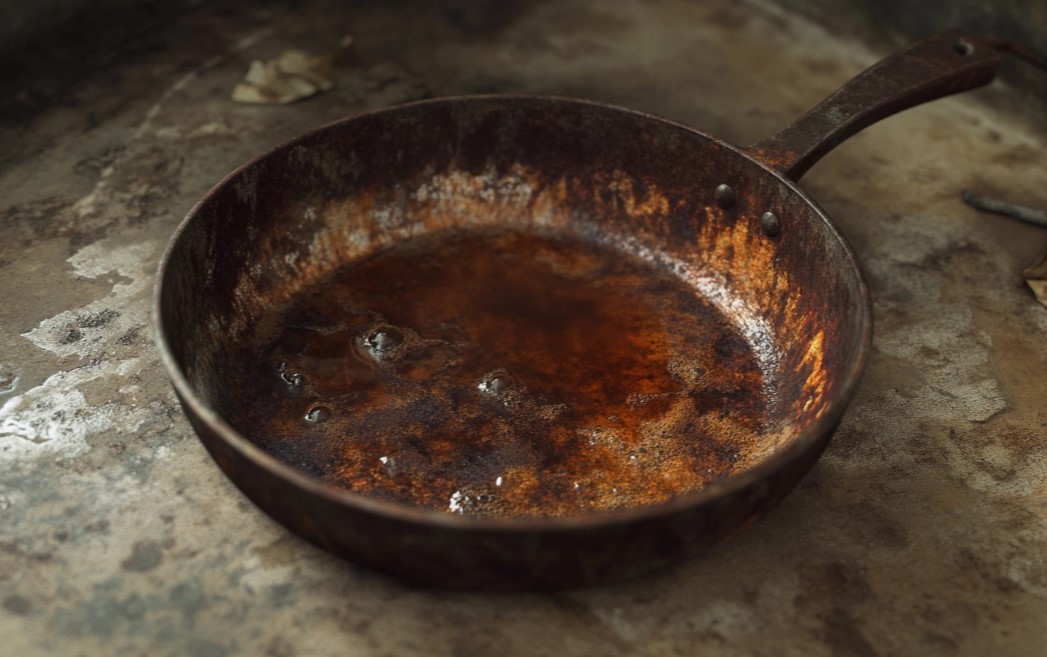
Are there signs of rust on your steel pan? Don't panic! Not even if you find a rusty steel pan at your grandmother's house. This treasure can be saved. We'll show you how in 5 easy steps.

Image
Why does a steel pan rust?

Rust is a natural reaction where iron reacts with moisture and oxygen. Rust can appear on steel if you forget to dry your pan thoroughly or it's left in a damp environment for an extended period. But the pan definitely doesn't belong in the bin.


The best steel pans according to our customers' ratings


Image
Restoring a steel pan in 5 easy steps

1. Washing the pan

Start by thoroughly washing the pan in hot, soapy water. Use a soft brush or sponge to remove any grease and surface dirt that can be washed off.

2. Soaking in vinegar

Fill a container large enough to hold the pan with a solution of water and vinegar in a 1:1 ratio. Submerge the pan in the solution and leave it there for approximately one hour. The vinegar will help dissolve the rust, and you should slowly start to see the original colour of the steel in some places.

Image

3. Using vinegar and baking soda

After the vinegar bath, apply a paste of a little vinegar and baking soda to the rusted areas. A reaction will occur, further loosening the rust and other impurities. Gently scrub with a wire wool pad inside and out until all traces of rust and dirt are gone.

Then rinse the pan thoroughly and dry it – you can achieve a perfectly dry surface by drying it in a hot oven. If even a drop of water remains under the oil that you will be applying to the pan in the next step, it will cause further rusting.

Image

4. Seasoning

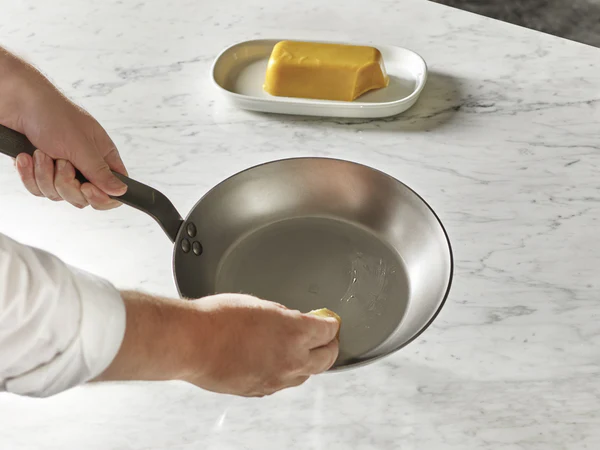
Now comes the real magic. Apply a little fat or oil to the pan – preferably vegetable oil. Use a paper towel or cloth to spread it thoroughly over the entire surface, including the outside and handle if it's also made of steel. The layer of fat needs to be really thin to create a protective film.

You can do the actual seasoning in two ways:

Seasoning on the hob
Place the pan on the hob and heat it over a medium heat (you need to reach the smoke point of the oil – for example, rapeseed oil has it at around 240°C). The oil will start to smoke, and this process will create the desired protective layer. Once the oil stops smoking, let the pan cool down thoroughly.

Seasoning in the oven
Preheat the oven to at least 200°C and place the oiled pan inside. You can place a baking tray or foil underneath it in case any excess oil drips from the pan. Heat the pan in the oven for at least an hour and then let it cool down slowly in the oven.

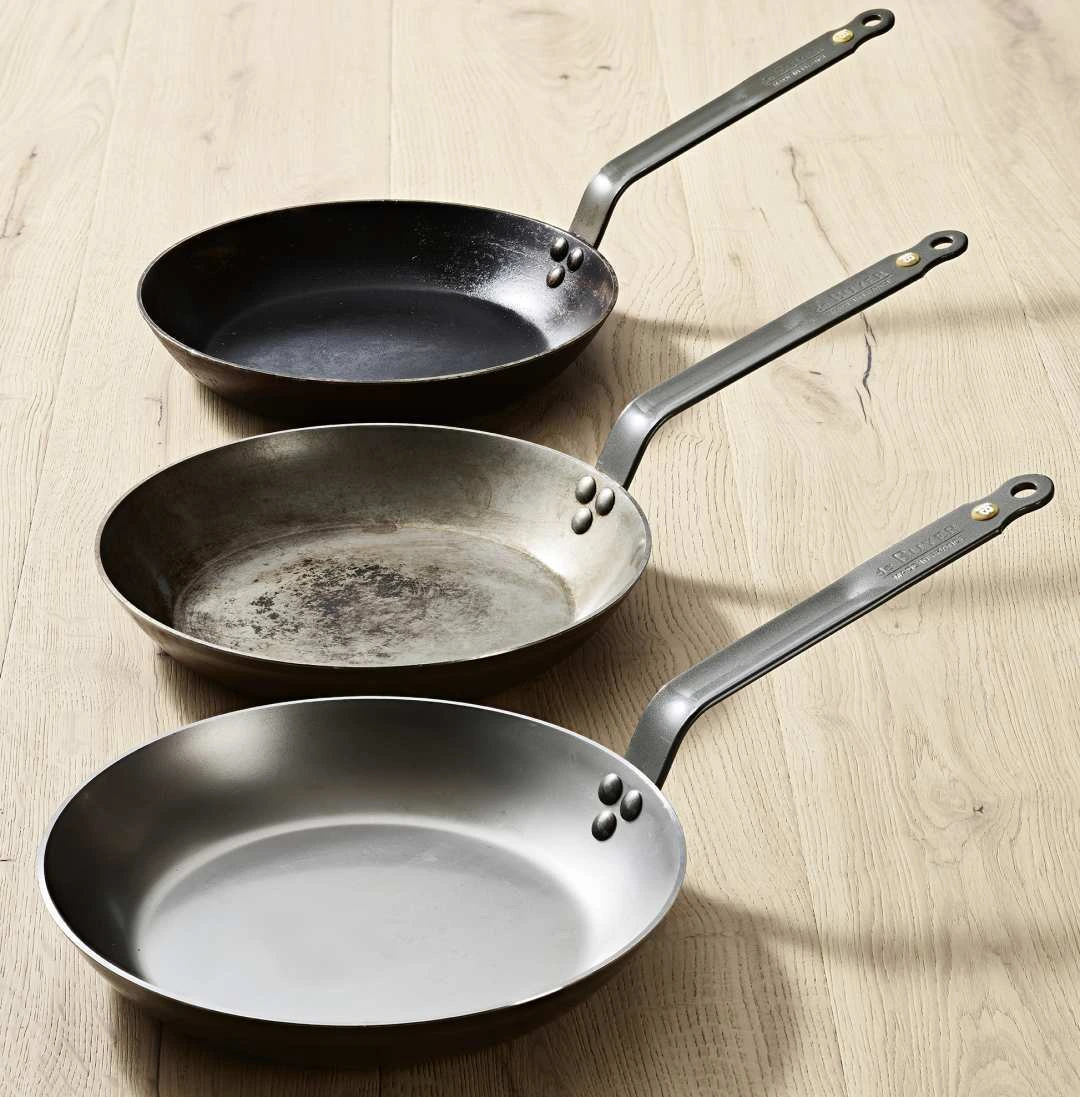
Notice that the pan has regained its typical dark colour and subtle sheen.

Our tip
Find out more about
->
pan seasoning video
Seasoning a steel pan
Watch the video and learn how to season a steel pan step by step to ensure great cooking results for years to come.

5. Repetition

If you want the surface of the pan to be truly perfect and durable, repeat the oiling and heating step twice more. Each layer will strengthen the pan's protection.

Image
How to keep your steel pan in top condition
  • Regular maintenance: If the pan isn't heavily soiled, simply wipe it with a paper towel. Otherwise, gently wash the pan and dry it well. From time to time, you can apply a thin layer of oil.
  • Seasoning restoration: Once in a while, you can repeat the seasoning process to strengthen the surface's resistance.
  • Beware of moisture: Never leave the pan wet or in a damp environment. Don't leave it to soak, and always dry it carefully as soon as possible.
  • Washing: Wash the pan by hand – no dishwasher or harsh cleaning products.

And that's it! With this method, you don't have to worry about your favourite steel pan not being in great condition. So, the next time you spot rust on it, take a deep breath and remember – it can be saved!
Steel pans