
Soft ones stick, hard ones crumble and some require a lot of force - cutting cheese with a regular knife can be a struggle. That's why there are special knives for cheese, which can handle each type differently. And to get the perfect result, it's good to know which knife to use. We'll help you get to grips with them and add tips on the right way to slice and serve, so you can enjoy every bite at its best.
Cheese knife: why have one?
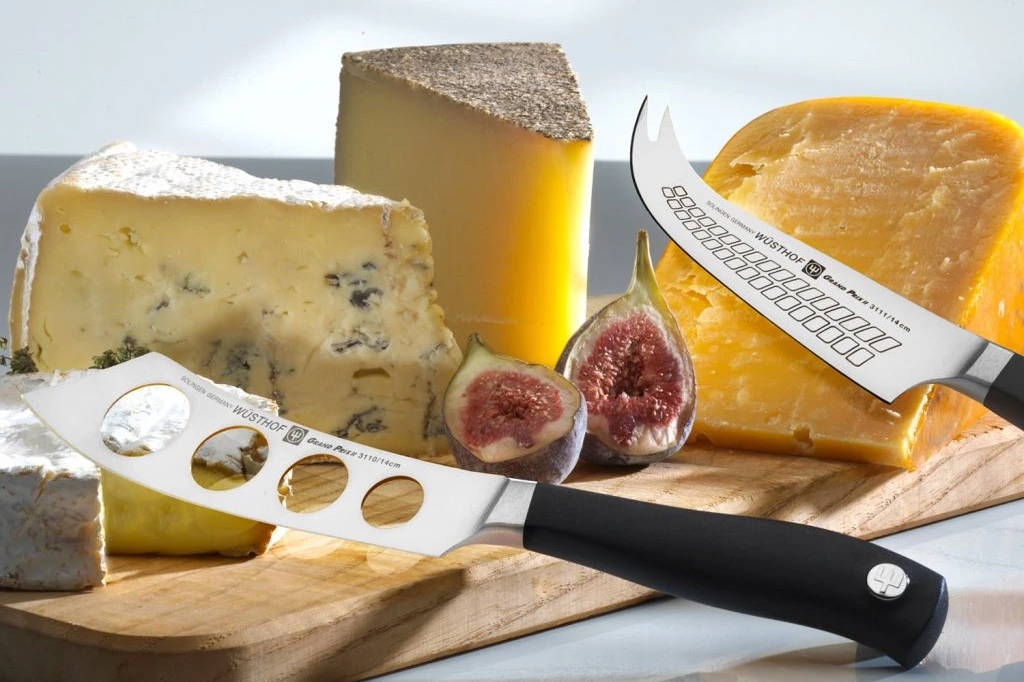
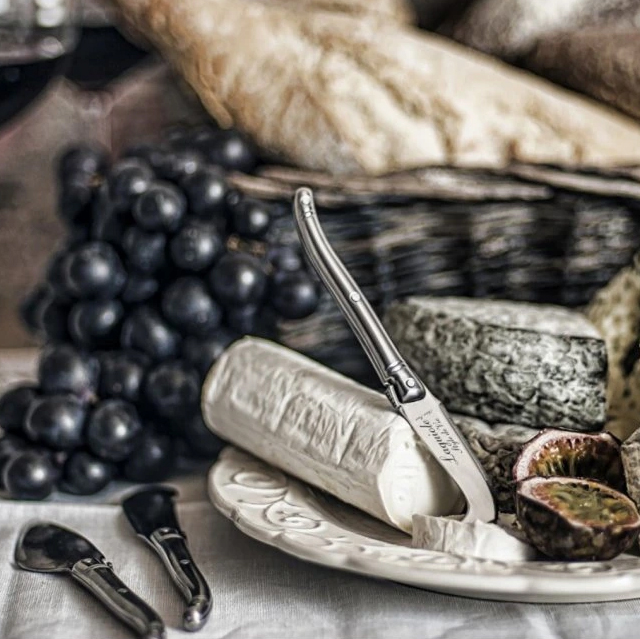
3 reasons:
Why you need a special cheese knife
Special knives for cheese are designed to match the specific characteristics of each type of cheese:
- Minimises sticking - perforated blades or thin blades reduce cheese contact with the knife, preventing soft cheese from sticking.
- Enables precise slicing - high quality blade ensures a smooth and even cut without crumbling or deforming the cheese.
- Makes serving easier - the special blade shapes make it easier to handle the cheese, making the subsequent presentation much more effective.
The most popular cheese knives according to our customer reviews
Types of cheese knives and their uses
Knife for soft cheeses
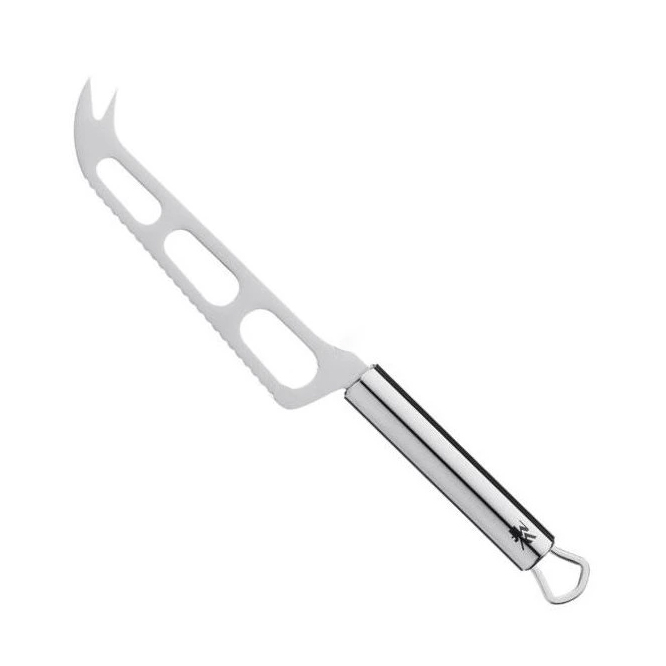
- Characteristics: Lightweight, often perforated knife with a thin blade and a sharp tip. Perforations on the blade prevent cheese from sticking, allowing for a smooth cut.
- Ideal for:
- Tip: Some knives have a fork-shaped tip for easy scooping and serving of sliced pieces.
Knife for semi-hard and hard cheeses
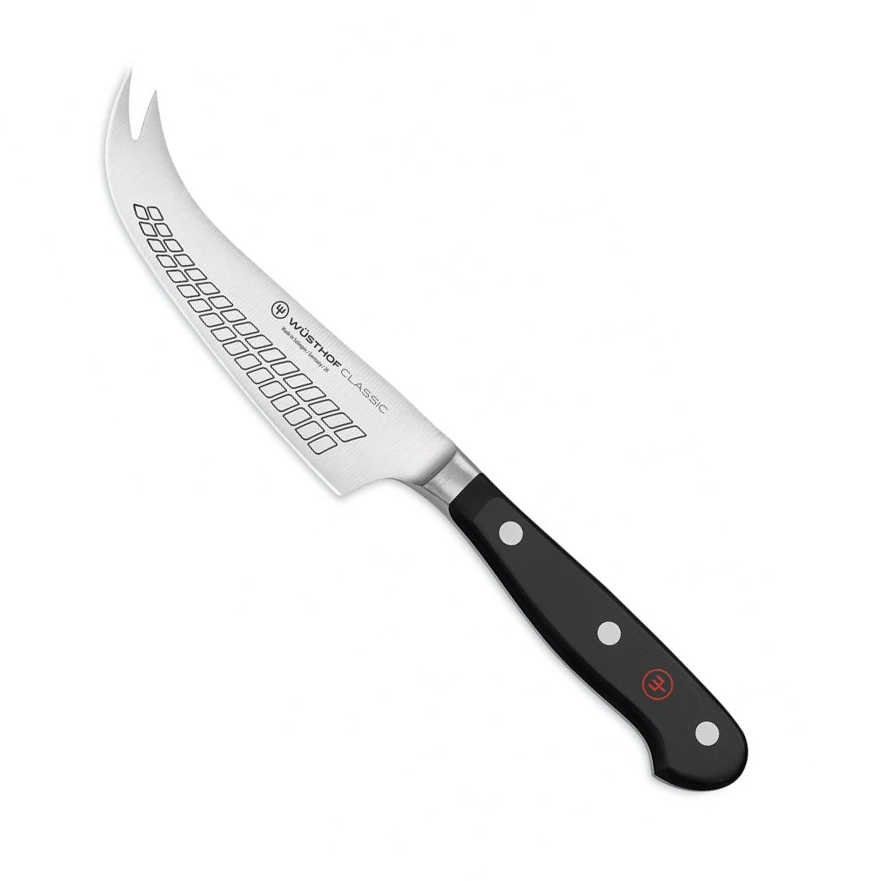
- Characteristics: Medium-long, solid blade with a slight curvature that allows efficient cutting of cheese without crumbling.
- Ideal for: Gouda, Edam, Cheddar, Comté.
- Tip: If you often indulge in different types of semi-hard cheeses, the universal cheese knife is the ideal choice.
Knife for extra hard cheese
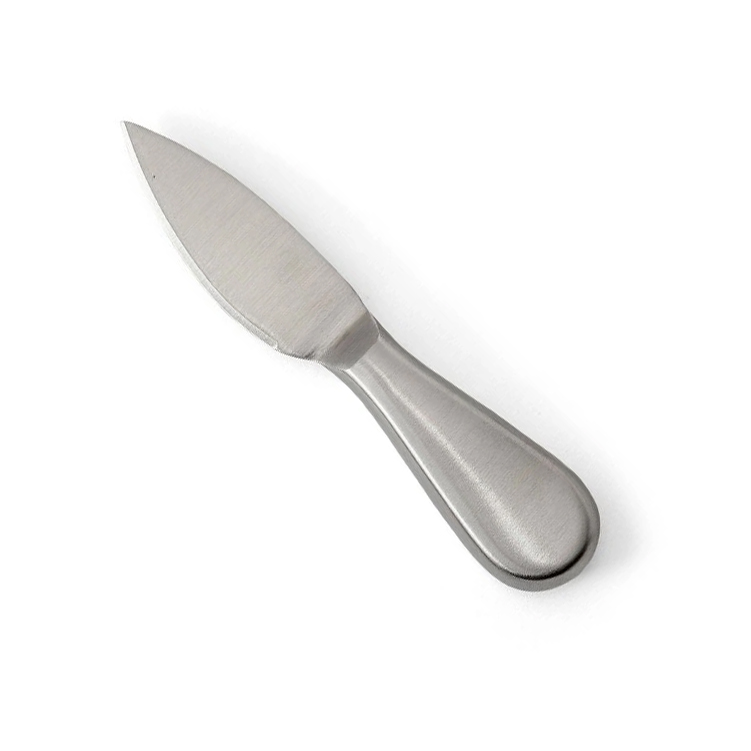
- Characteristics: Short, sturdy blade with a thick profile that can handle even the toughest cheeses. Some models have a chisel shape, designed for chopping and breaking.
- Ideal for: Parmigiano Reggiano, Pecorino, Manchego.
- Tip: Instead of traditional slicing, hard cheeses are often broken, which brings out their texture and flavour.
Cheese spreading knife
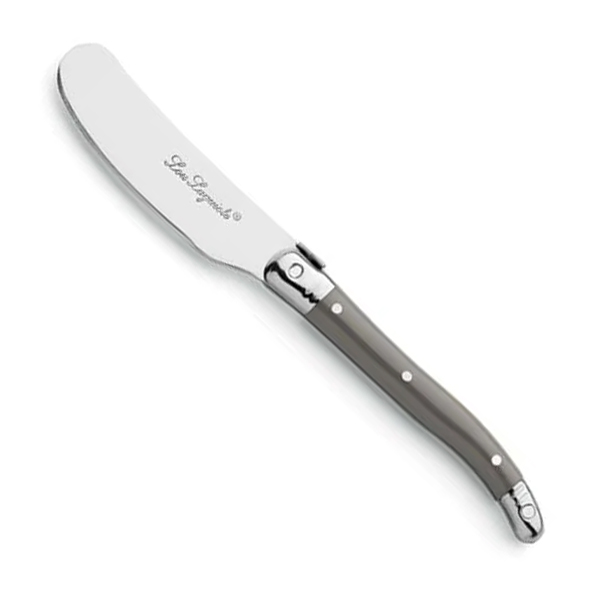
- Characteristics: It has a solid construction with a tensioned string, which allows easy slicing of harder cheeses.
- Ideal for: Semi-hard and hard cheeses such as Gouda, Havarti, Cheddar
- Tip: Use it to make even slices for sandwiches or cheese platters.
Cheese chopper
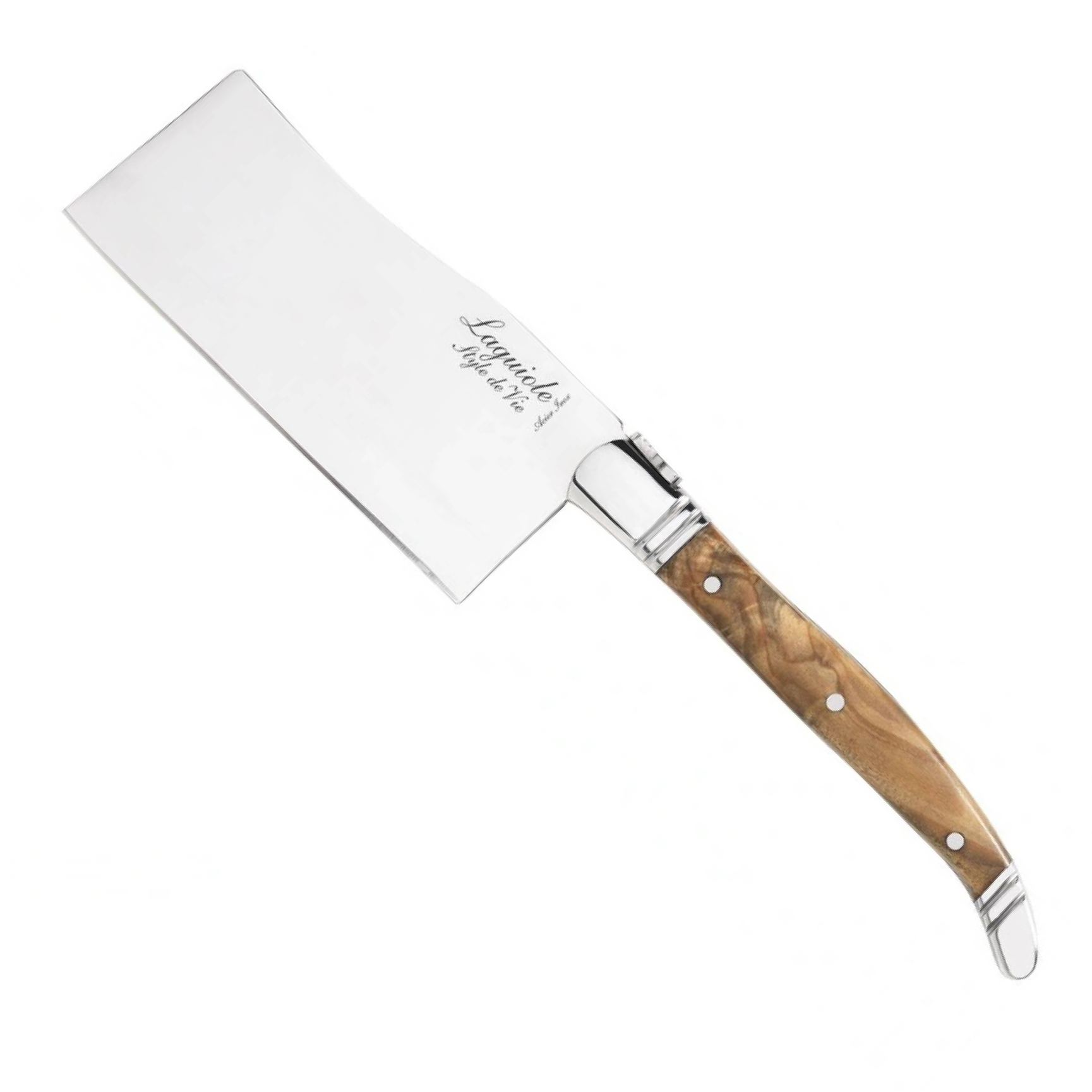
- Characteristics: Heavy, wide blade that allows you to slice large pieces of cheese without much effort.
- Ideal for: Emmental, Gruyère, larger loaves of harder cheeses.
- Tip: Use the swinging motion for smooth slicing when slicing with the wide blade.
Slicing knife for cheese
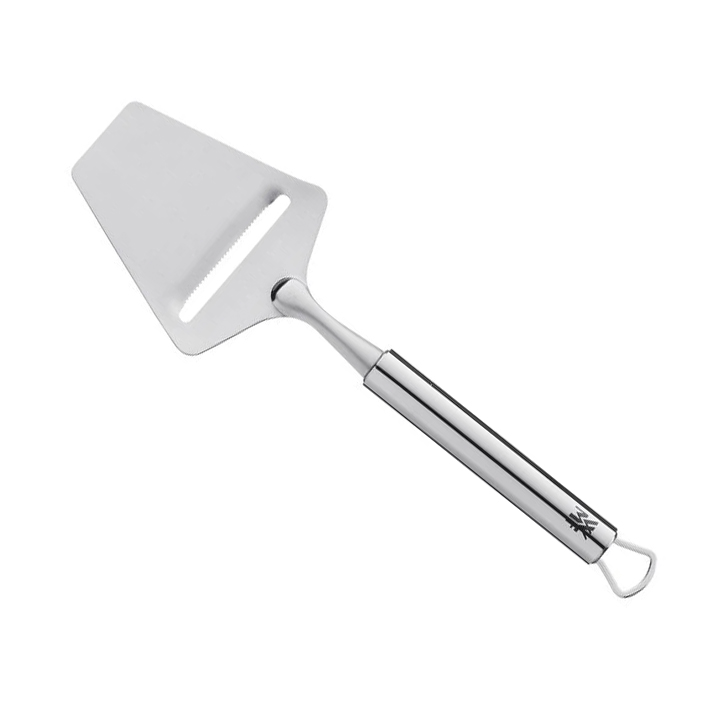
- Characteristics: It is ideal for obtaining thin, even slices of cheese. It works similarly to a potato peeler and is a great helper when preparing cheese bowls.
- Ideal for: Semi-hard cheeses such as Cheddar, Havarti, Gouda
- Tip: Use gradual pressure to get smooth slices without tearing the cheese.
String cheese knife
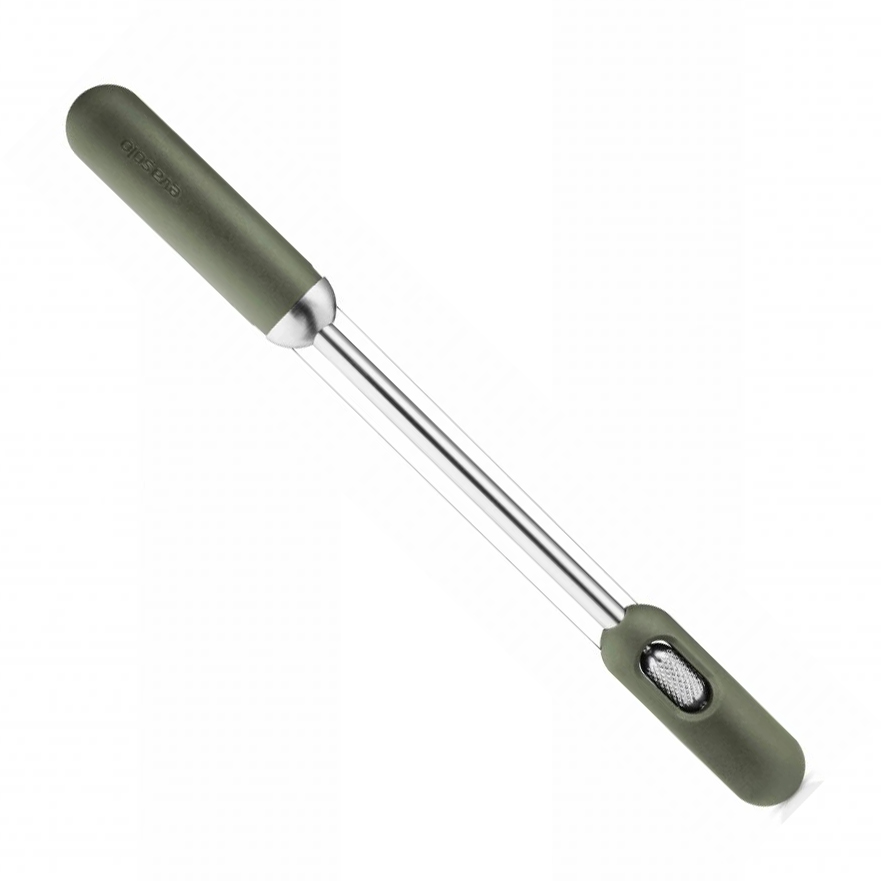
- Characteristics: Compact shape, often with a bevelled blade that makes it easy to scoop and serve cheese.
- Ideal for: Universal use when serving different types of cheese.
- Tip: The perfect helper for cheese tasting and elegant serving.
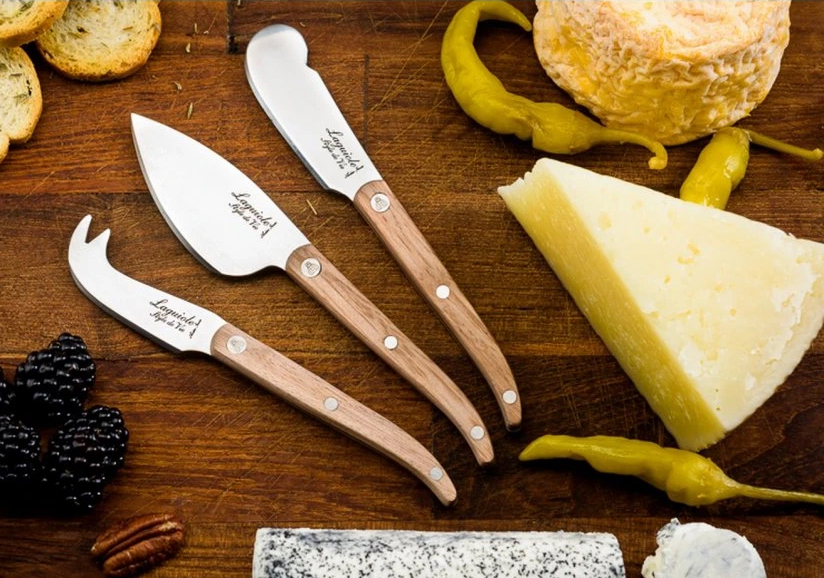
So which cheese knife to choose?
If you're choosing your first cheese knife and don't want to own the whole arsenal, we recommend the universal knife for semi-hard cheeses, which you'll use the most.
Extra cheese knives don't just have to stick to cheese - it's also great with tomatoes, chocolate, nuts, butter or even delicate desserts and pates, just choose the right one.
Reliable cheese slicers
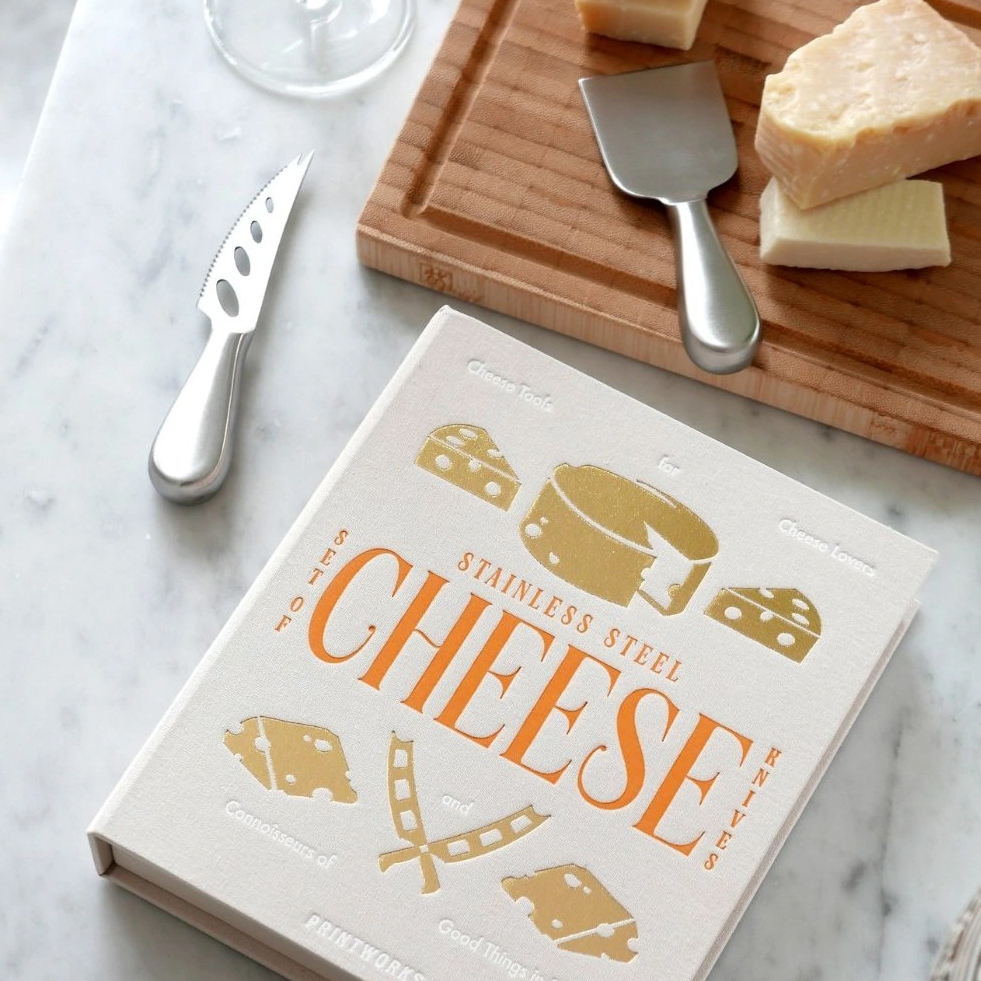
Cheese knives as a perfect gift
Practical, stylish and sophisticated - such a gift is the cheese knife, which will delight not only gourmets, but also anyone who likes to enjoy food with elegance. It's not just about the tools - it's a ticket to a world of perfectly served cheese, where every slice looks and tastes just right. With the cheese knife set, the recipient can handle silky-smooth brie and uncompromisingly hard parmesan, while enjoying each cut as part of a culinary ritual.
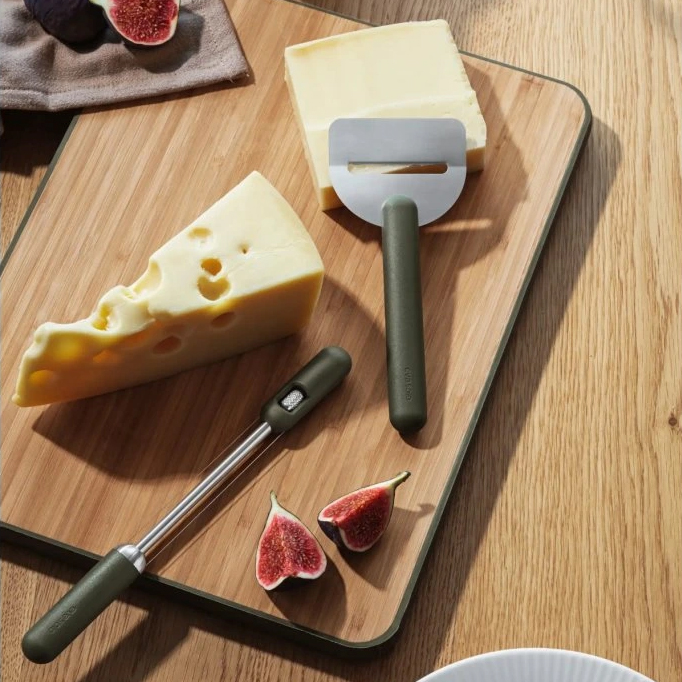
3 simple principles:
How to care for cheese knives
To make sure your cheese knives last as long as possible, follow these procedures:
Hand washing is essential - Most cheese knives are not dishwasher safe as aggressive cleaning agents can damage the blade and handle.
Correct storage - store knives in a block, protective cover or on a magnetic bar to prevent dulling of the blade.
Regular grinding - although cheese knives are not as stressed as regular kitchen knives, occasional resharpening will extend their life.
Our tip
Read also

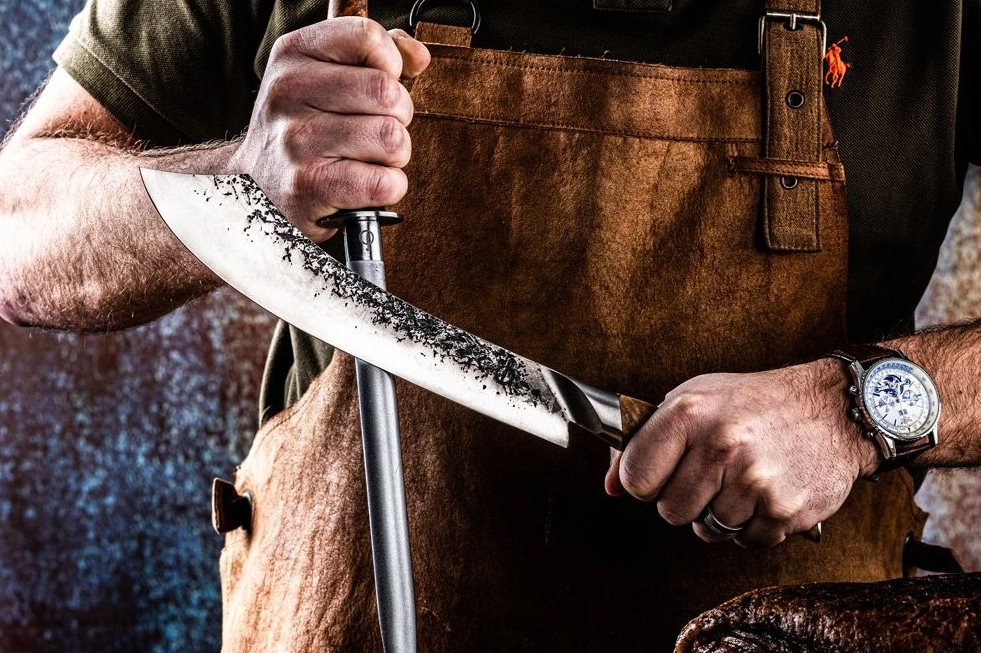
How to sharpen knives correctly
Everything you need to know about proper knife sharpening and sharpening.
FAQ
The most frequently asked question
Which universal cheese knife should I get?
If you're looking for one knife that can handle most cheeses, the semi-hard cheese knife is the ideal choice. It has a firm but not too sturdy blade, so it can handle both soft and harder cheeses without deforming them.
How to prevent soft cheese from sticking to the blade?
Use a knife with a perforated blade or thin string to minimize contact with the cheese. Lightly wetting the blade or heating it in warm water will also help.
Can I wash cheese knives in the dishwasher?
Most manufacturers do not recommend this because aggressive detergents and high temperatures can damage the blade or handle material. It is best to wash knives by hand with warm water and mild detergent.
How to cut hard cheeses correctly so they don't crumble?
Instead of slicing, use a special breaking knife or a cleaver and let the cheese naturally break into smaller pieces. This will enhance its texture and flavour.
Why do some cheese knives have a forked tip?
This design is used to conveniently scoop and serve the slices, so you don't have to reach for more cutlery or transfer them by hand to a plate.