
You need it for everything, starting with sautéing onions and ending with a rich sauce. For beef bourguignon, vegetable curry and homemade tomato sauce. That's because a casserole pot is lower than a classic cooking pot and has a wider base, so it's easier to stir in, the sauce thickens faster and the meat sears beautifully before you baste it.
If you only have tall pots and pans at home, you're missing this versatile helper. The Casserole pot is ideal for slow cooking, stewing, baking and serving. Simply put – if you want your food to be succulent, fragrant and wholesome, you can't do without a Casserole pot.
Casseroles – masters of slow cooking and stewing
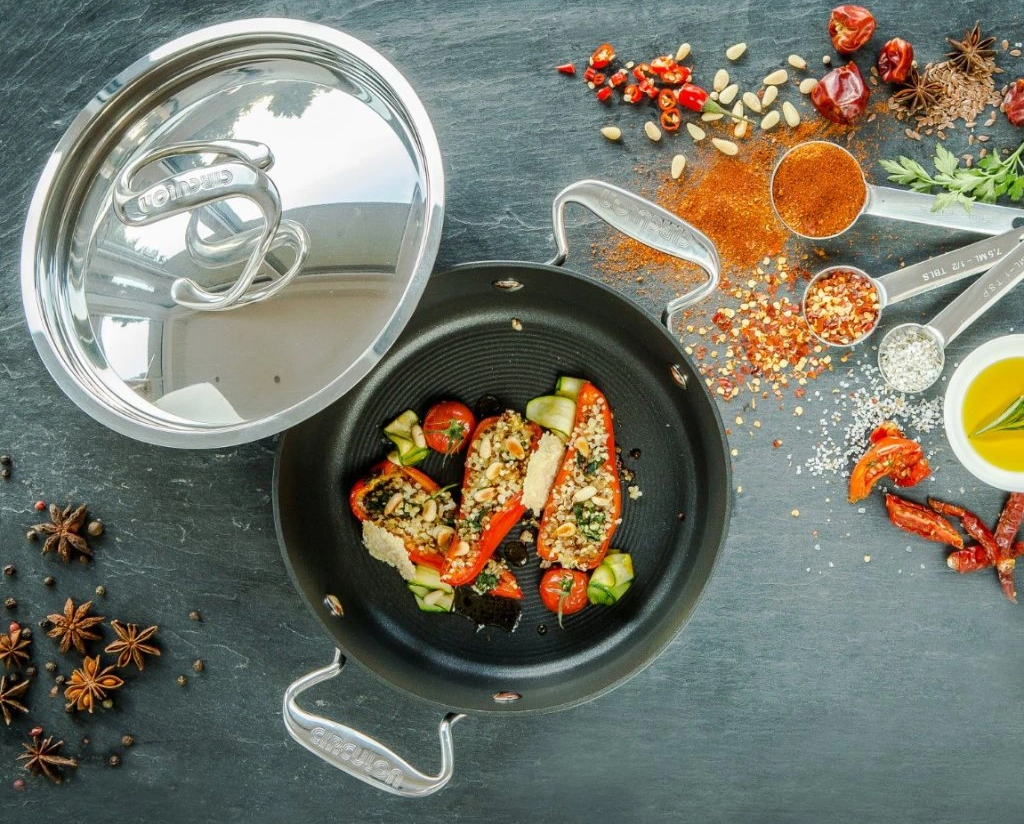
Most popular casserole pots based on our customers' ratings
Let's compare them
Casserole pot vs. cooking pot
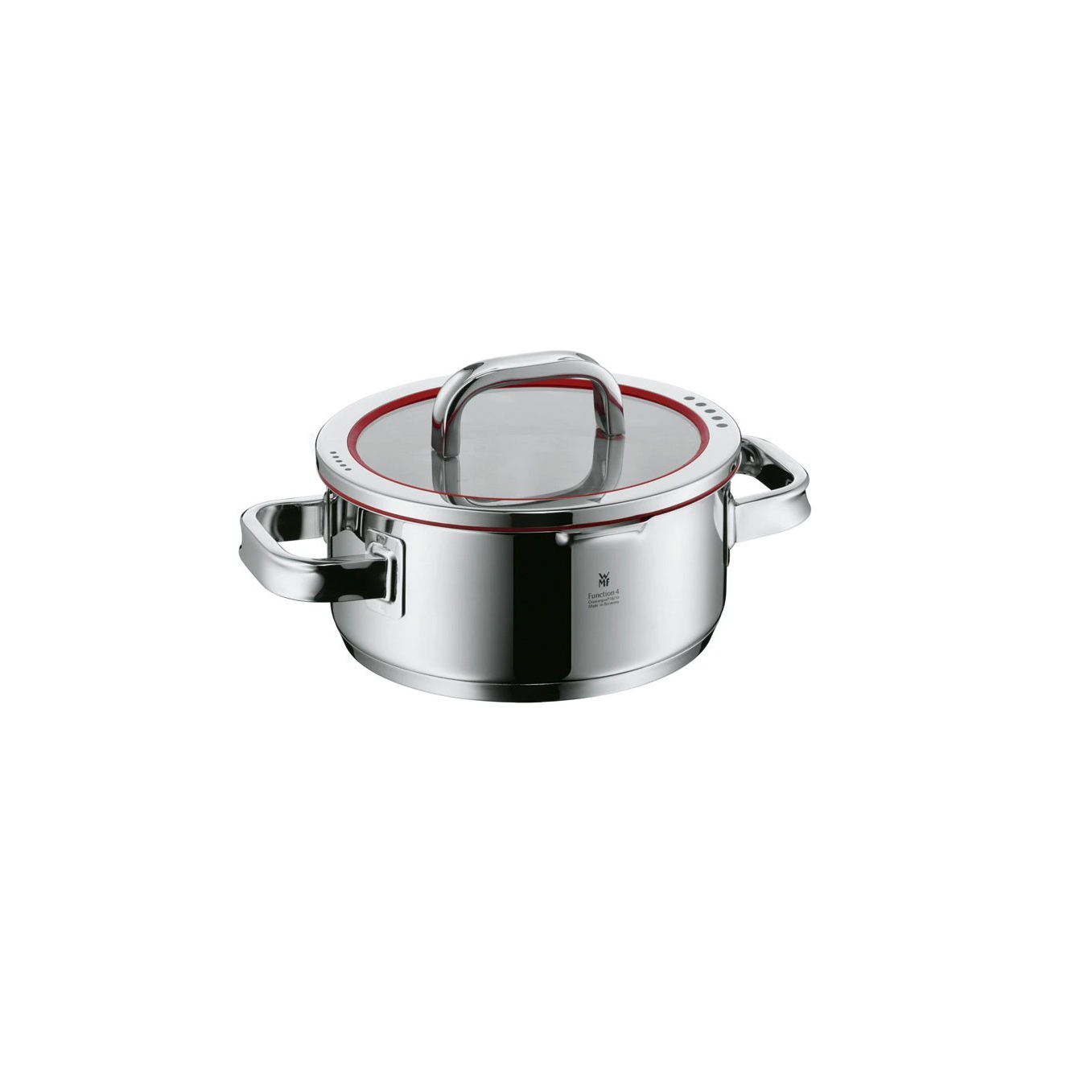
Need to evaporate, reduce or sear? Reach for a casserole dish.
- Wider base and lower sides.
- Ideal for preparing dishes where you want to work with intense flavour – sauces, ragouts, vegetable mixes or braised meat.
- Thanks to the large surface area, the food sears better and the liquids reduce more quickly. Perfect for when you need to evaporate water and concentrate flavour. It's easier to stir and serve from, and if the material allows, it's also suitable for baking in the oven.
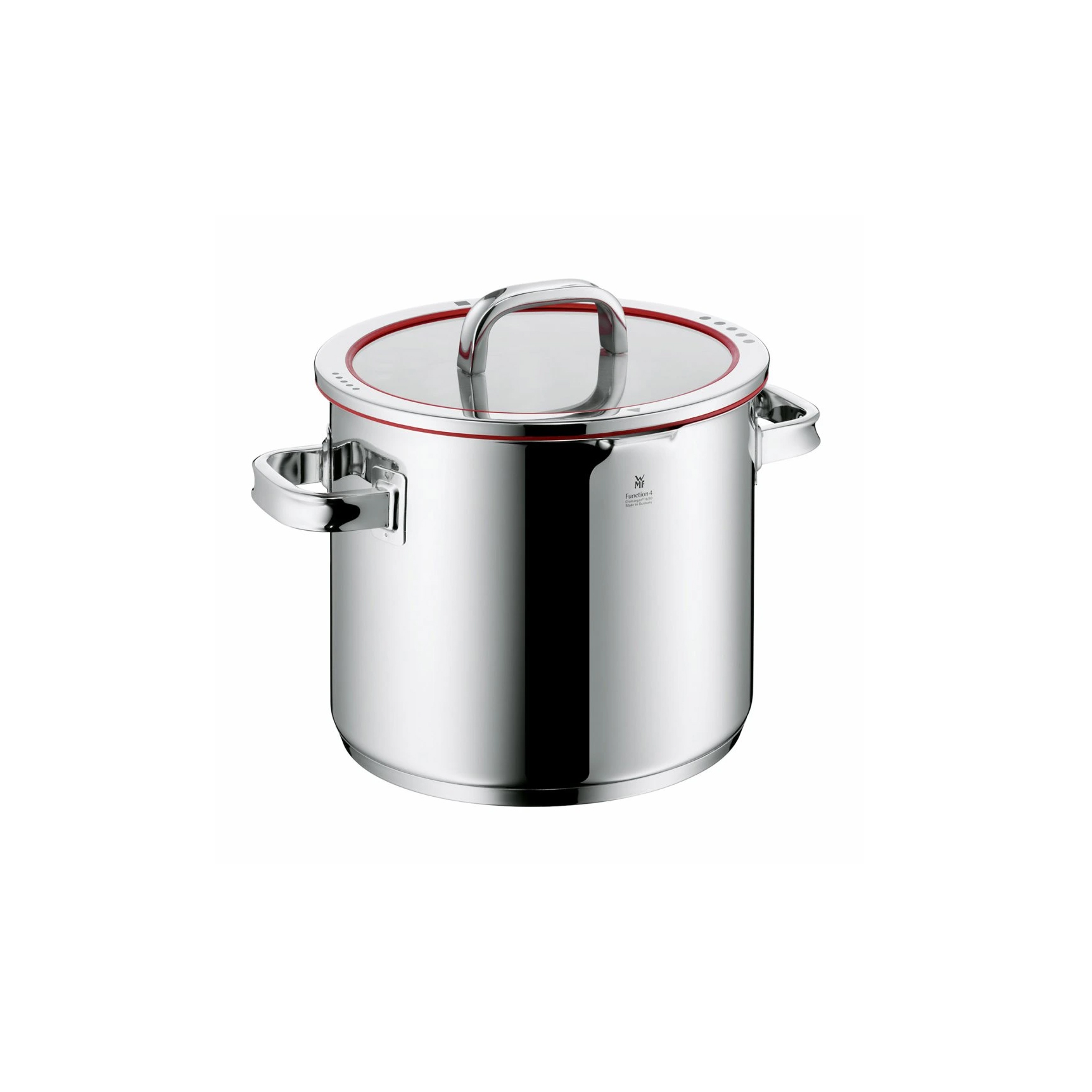
Are you cooking in water, for a longer time, or in a larger volume? A Cooking pot is your go-to.
- Narrow base and high walls.
- Best suited for cooking larger volumes of liquids – soups, broths, pasta, potatoes or stews with more gravy.
- High walls help maintain temperature and steam, so liquid doesn't evaporate unnecessarily. Ideal if you want to gently simmer ingredients rather than intensely sear them.
What material saucepan should I choose?

- Ideal for everyday cooking – from searing meat to slow cooking or reducing sauces.
- It is durable and also suitable for oven use.
- Before cooking, the casserole pot needs to be heated and a little fat added – stainless steel does not naturally have a non-stick surface, so the food could stick without it.
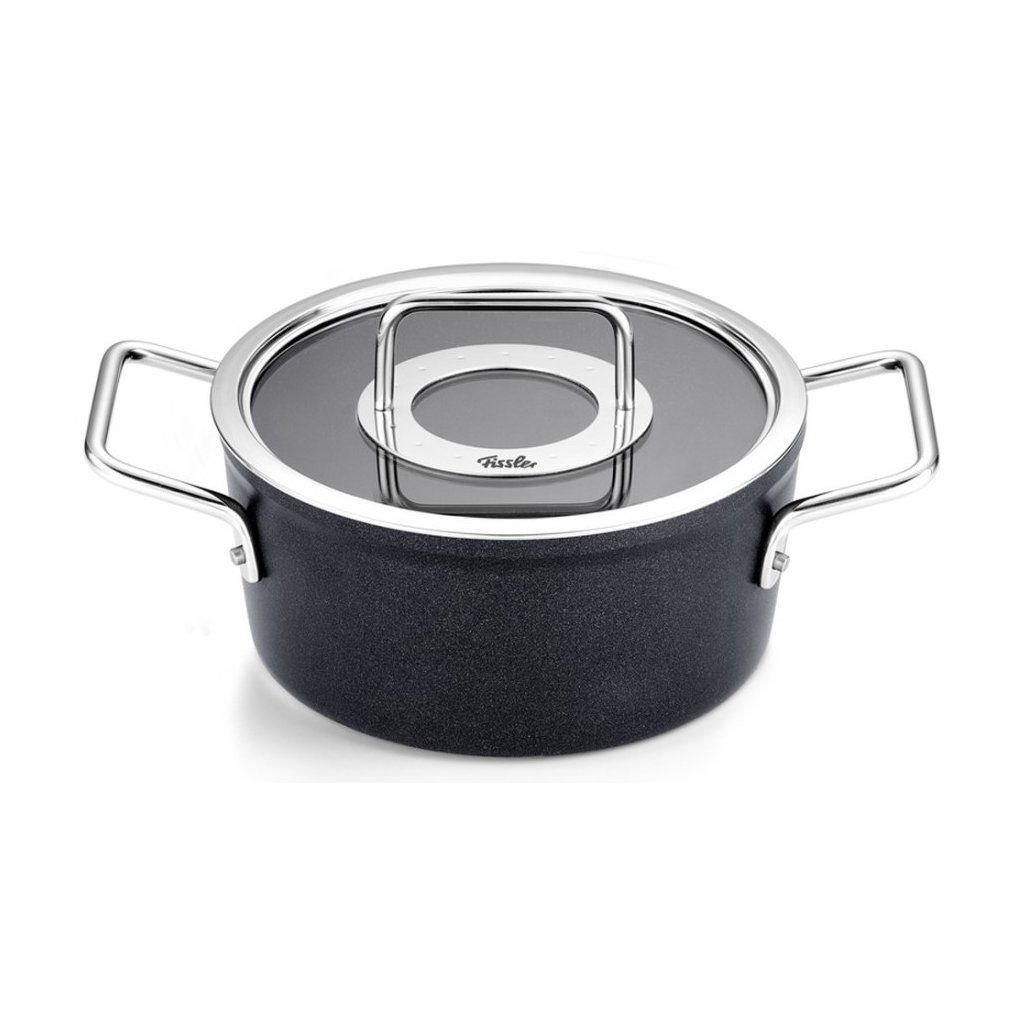
- Perfect for more delicate dishes – cream sauces, vegetable mixes or risottos.
- Generally has a non-stick surface, which makes cooking and washing easier and allows you to prepare dishes with a minimum of fat.
- Cannot be used at high temperatures, so it does not belong in the oven and is not suitable for flash frying or flambéing.
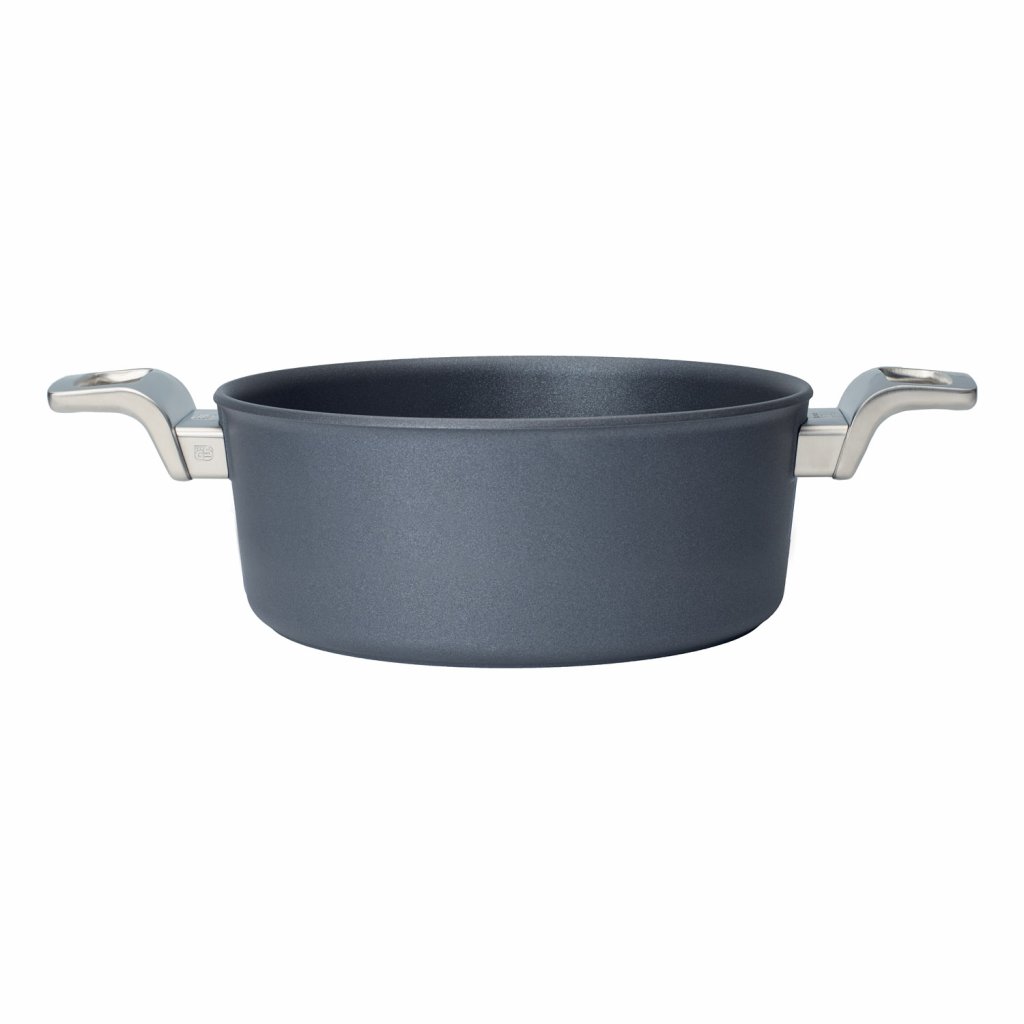
- Exceptionally durable material with a long service life – ideal for everyday cooking without compromise.
- The non-stick surface allows for preparation with minimal fat and easy cleaning.
- Also suitable for oven use and scratch-resistant.
- Higher purchase price, but it corresponds to the quality and durability.
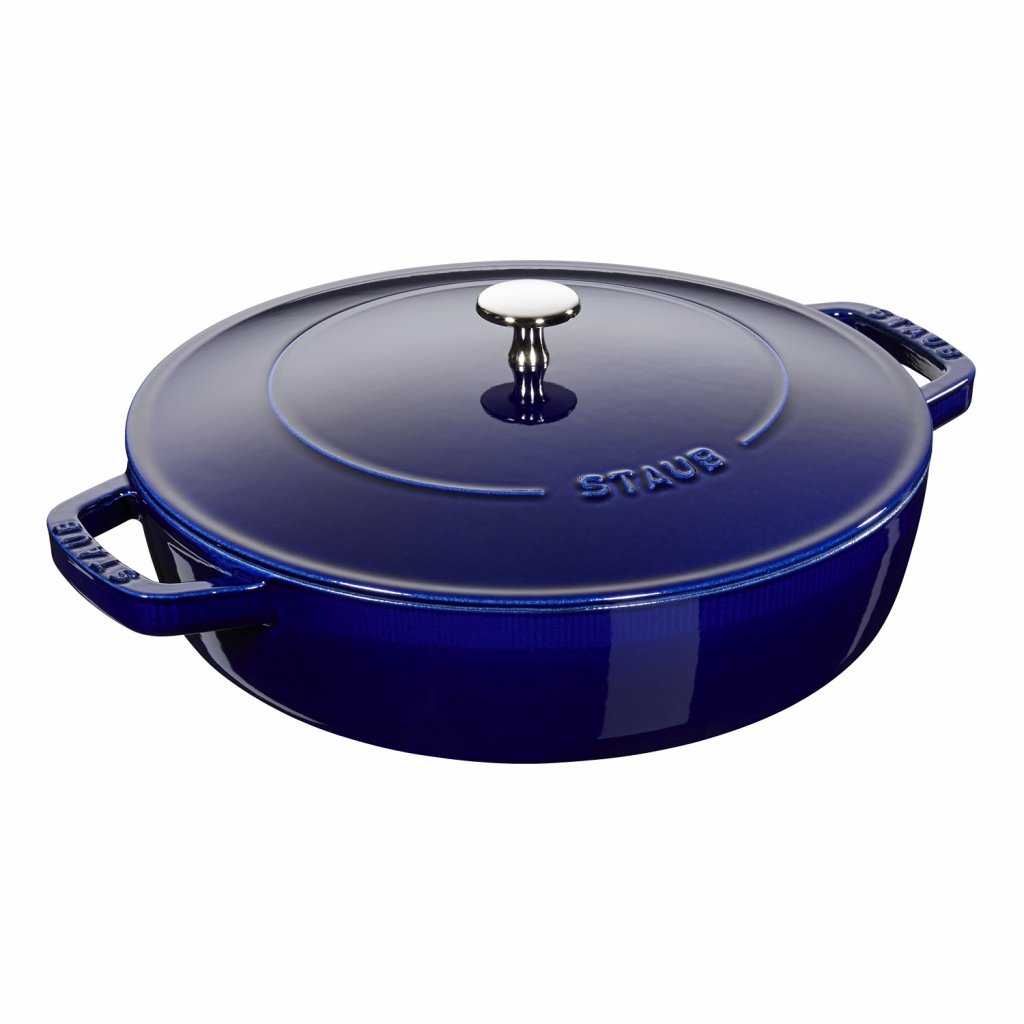
- Best choice for hearty stews.
- Excellent at retaining heat.
- Suitable not only for the hob, but also for the oven.
- Looks so good, you can serve straight from it.
- It is heavy, and therefore requires considerable caution when handling.

- Ideal for dishes where absolute temperature control is crucial – such as reducing sauces, caramel, hollandaise sauce, or delicate fish dishes.
- Copper conducts heat exceptionally quickly and evenly, so the entire surface of the casserole pot reacts instantly.
- Most copper casserole pots have an inner layer of stainless steel for safe contact with food.
- However, be aware of the higher price, the need for regular maintenance, and the fact that copper doesn't work on induction hobs – unless it has a specially adapted base.
How big should the casserole pot be?
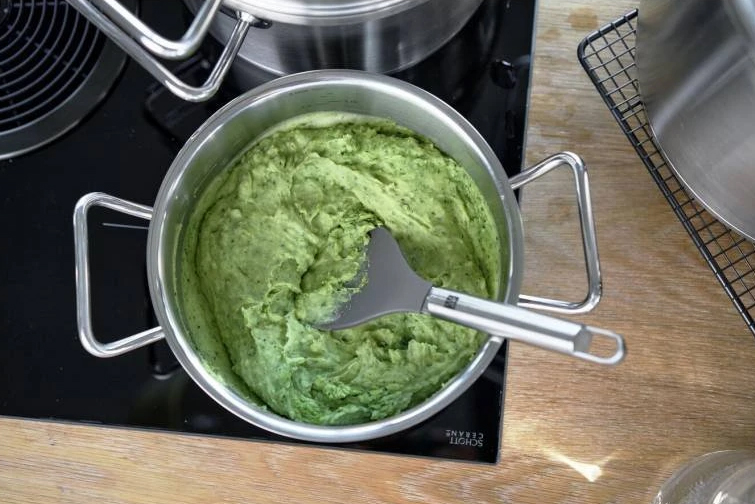
- 2–3 litres: for sauces, side dishes or quick dinners for two.
- 4–5 litres: an ideal all-rounder for the family kitchen.
- 6 litres and over: for large families, guests or batch cooking.
Most popular stainless steel casserole pots according to our customers' ratings

Why can't a cooking pot replace a casserole pot?
Simply because a cooking pot is suitable for boiling, while a casserole pot is for roasting, reducing, stewing or baking. A cooking pot with high walls naturally retains steam and moisture, which would rather hinder when frying roux or reducing sauce - the sauce will remain thin, without body and flavour. A Casserole pot, on the other hand, thanks to its wide bottom and lower walls, allows steam to escape, liquid to concentrate and flavours to combine. And that's precisely the difference.

5 smart tips:
How to get the most out of your casserole pot
- Cook without a pot lid if you want to reduce a sauce. The casserole pot has a wide base and low sides, which allows for rapid evaporation of liquids. Ideal for sauces, ragouts or dishes where you want an intense flavour and a dense texture.
- Cover with a pot lid if you are braising. Conversely, when slowly braising meat, legumes or vegetables, use a casserole pot with a pot lid – this will retain moisture inside and ensure that the food remains succulent without an unnecessarily large amount of liquid. Don't unnecessarily lift the pot lid, as this will disrupt and prolong the braising process.
- Start on a higher heat, finish slowly. First sear the meat or vegetables at a higher temperature, then reduce the heat and move on to the braising or slow cooking stage.
- Use the casserole pot for baking. If it's made entirely of a suitable material (e.g. cast iron, stainless steel), you can safely use it in the oven – for example, for baked pasta dishes, lasagne or chicken in cream sauce.
- Use a casserole pot for serving. Designer cast iron or enamelled casserole pots look great right on the table, and the food stays warm for a long time.
High-quality cast iron casserole pots
Casserole pot brands you can rely on
Fissler – High-quality German casserole pots with a durable construction, strong base and practical details. Great for everyday cooking.
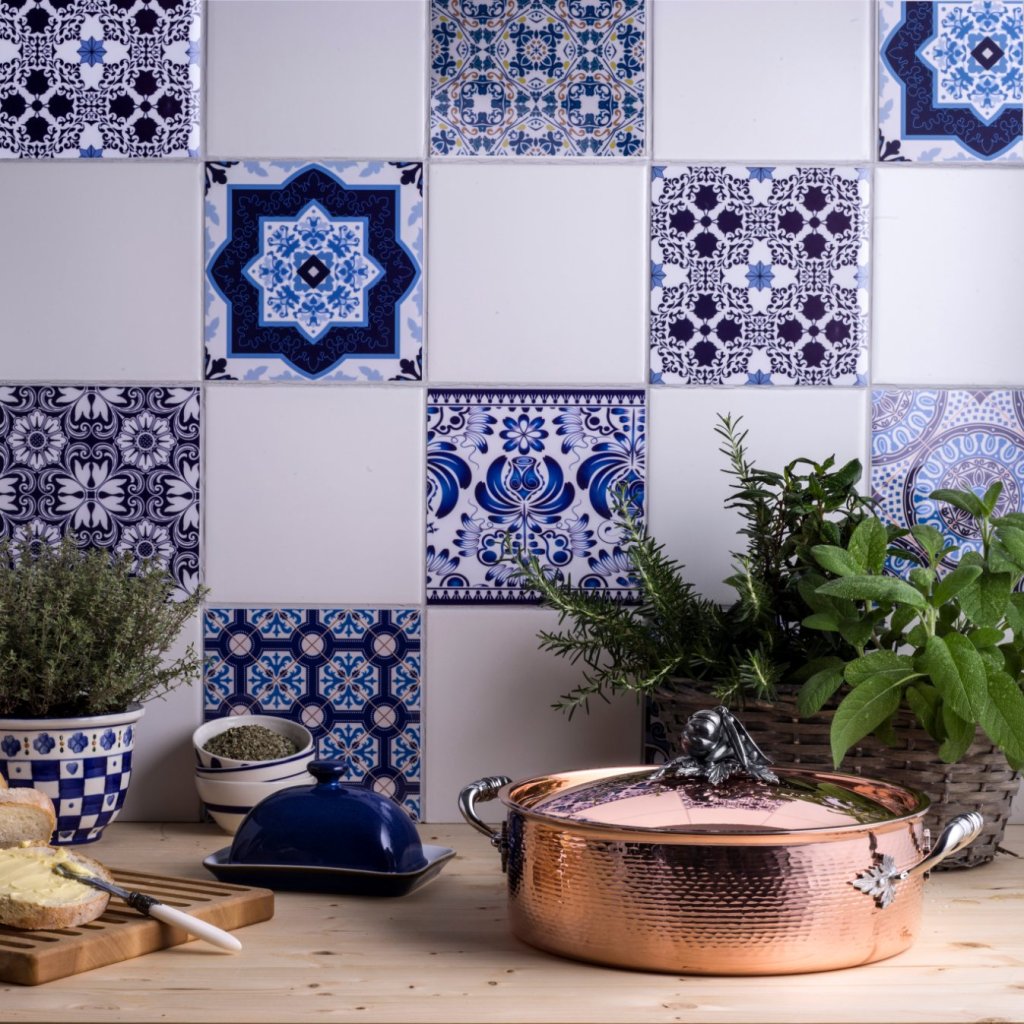
Ruffoni – Hand-made copper casserole pots from Italy. Exceptional thermal conductivity and craftsmanship make cooking a pleasure.
Alessi – A designer brand that combines functionality with aesthetics. Ideal for those who want to cook in style and with originality.
Zwilling – Universal casserole pots with German precision. Offers a wide selection of materials and designs for every kitchen.
Ruffoni – Hand-made copper casserole pots from Italy. Exceptional thermal conductivity and craftsmanship make cooking a pleasure.
Alessi – A designer brand that combines functionality with aesthetics. Ideal for those who want to cook in style and with originality.
Zwilling – Universal casserole pots with German precision. Offers a wide selection of materials and designs for every kitchen.
Quality copper casserole pots
FAQ
Most frequently asked questions
What is a casserole pot best for?
A Casserole pot is ideal for stewing, sautéing, slow cooking, sauces and 'one-pot' dishes. Thanks to its lower walls and wide base, it allows for even heating and faster evaporation of liquids.
Can I also bake in a casserole pot?
Yes, if the casserole pot is oven-safe. Cast iron, enamelled and stainless steel casserole pots without plastic parts are also ideal for baking.
Which casserole pot is best for sauces?
For sauces, a casserole pot with a non-stick surface or stainless steel with a thick sandwich base is best - it ensures even heating without burning.
What size casserole pot should I get?
2–3 litres is sufficient for cooking sauces and meals for 2 people. 4–5 litres is ideal for the average family. A larger capacity is useful when cooking in bulk or for more people.
How does a casserole pot differ from a pan or saucepan?
It differs from a frying pan in its higher walls and lid, and from a pot in its lower profile and wider base. The casserole pot combines the advantages of both - it allows for roasting and slow cooking in a single dish.