
Professionals will tell you that a non-stick pan is designed for preparing scrambled eggs and delicate ingredients such as fish, which we want to avoid sticking. The truth is that non-stick pans are popular in most households for their simplicity and easy cleaning. However, their disadvantage is a shorter lifespan compared to, for example, steel or cast iron pans. How to extend their lifespan?
Non-stick Pan Care: When Is It Time to Say Goodbye?
Non-stick frying pans make cooking and cleaning easier, but they require proper care. Learn how to handle them so they last as long as possible and remain safe for your health.
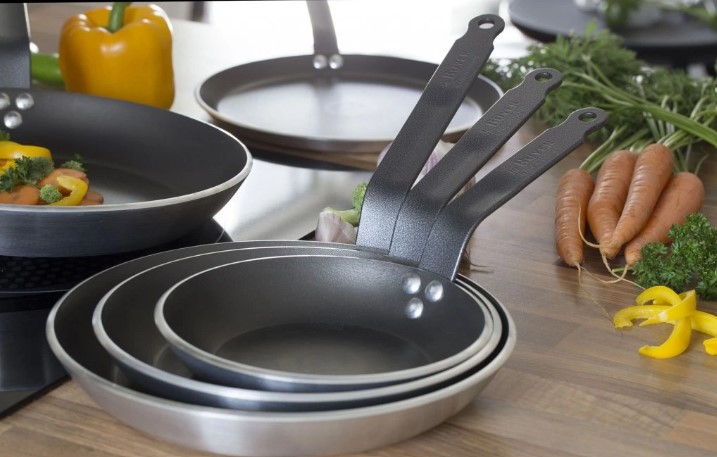
Best non-stick frying pans according to customer reviews
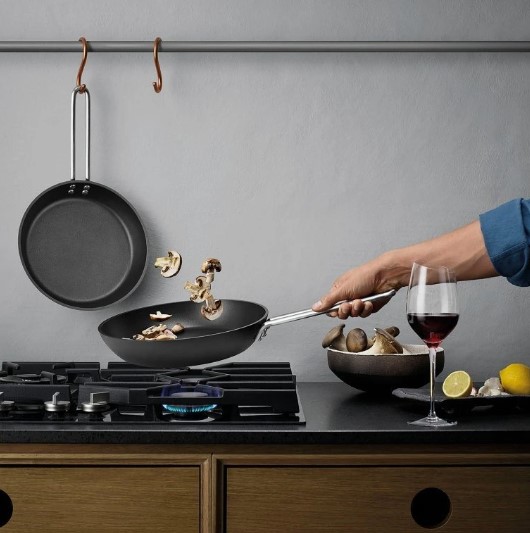
When to say goodbye to a non-stick pan? Beware of scratches
It's worth investing in a non-stick pan from a reputable, high-quality manufacturer. This ensures that the non-stick coating doesn't contain harmful substances like PFOA, lead or cadmium.
A quality surface is also less likely to scratch than cheaper pans. However, it's still true that if scratching occurs, it's time to replace the pan with a new one. Mechanical damage can cause parts of the surface to come loose, and we don't want those in our food.
Fortunately, there are simple steps to ensure that your pan stays in great, safe condition for as long as possible.
4 TIPS TO EXTEND THE LIFE OF YOUR NON-STICK PAN
1. Using the right tools
If you take away one thing from this article, make it this: Avoid metal tools. Spatulas, tongs, forks – put all metal utensils back in the drawer. To prevent scratching the non-stick coating, you need to choose other materials:
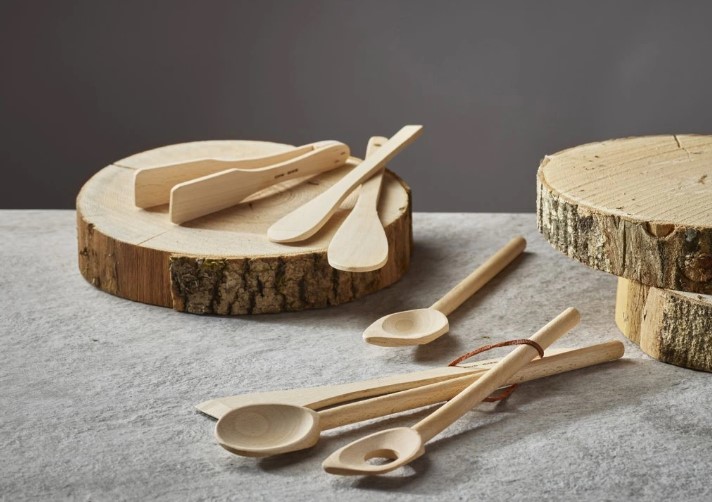
Wooden utensils
Wood is a great material for cooking on a non-stick pan. It is strong enough to handle heavier and tougher ingredients well, but also gentle on the pan's surface.
Just remember that wood is not very resistant to high temperatures, so when you are not using wooden tools, put them safely away from the pan and heat source.
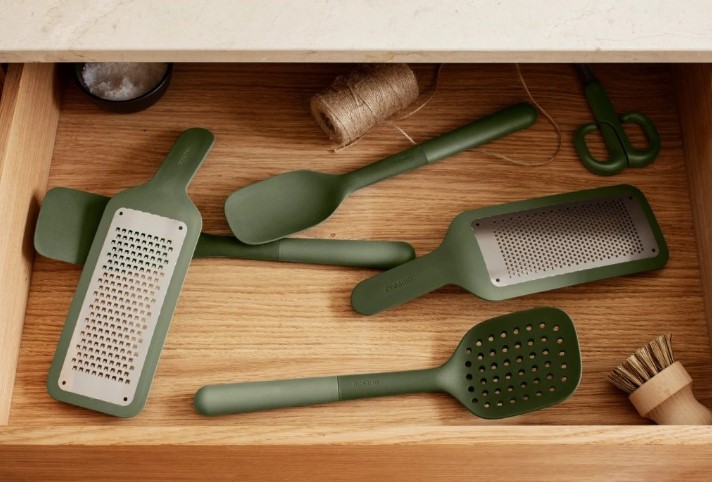
Silicone utensils
Silicon is a safe material that has quickly earned its place in our kitchens. It is resistant to high temperatures and also soft, making it ideal for turning eggs and other delicate ingredients, while also not damaging the surface of the pan.
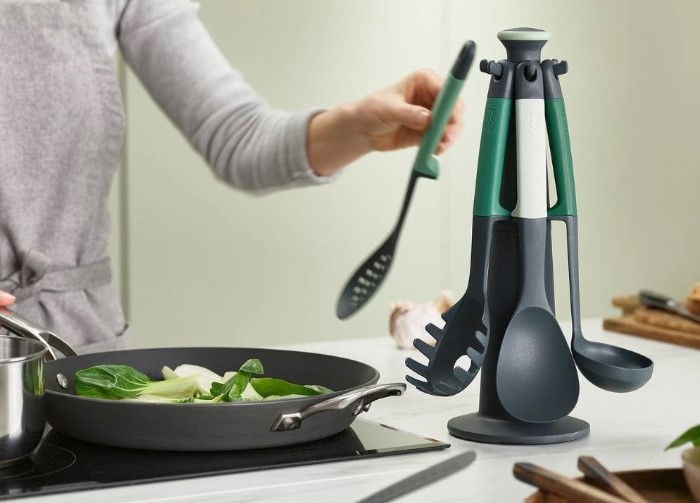
Nylon utensils
When cooking on a non-stick surface, kitchen tools made of nylon are also a popular and safe choice. Their main advantages include that they are lightweight and available in many different variations. Nylon is stronger than silicon, but its temperature resistance is slightly worse. If you expose it to high temperatures for a long time, it may melt. As with wood, you shouldn't leave nylon utensils resting on a heat source.
Exceptionally durable non-stick titanium pans
2. Proper cooking techniques
When preparing food on a non-stick pan, it's important to follow a few simple rules to extend its life:
- Never heat an empty pan. Make sure that before you turn on the hob, there is either fat or some of the ingredients in the cold pan. This ensures that the pan reaches the required temperature without endangering the non-stick coating.
- Avoid using oil sprays. If you repeatedly use oil sprays, a thin layer of oil will gradually form on the non-stick surface, which is difficult to clean thoroughly, and over time this will damage the surface of the pan and its non-stick properties.
- Do not expose the pan to excessively high temperatures. Non-stick surfaces work best with low to medium temperatures. If you need to reach really high temperatures for a specific dish (typically for perfect searing of a steak, for example), rather use a pan made of a different material, such as steel, cast iron or stainless steel.
Our tip
Read also

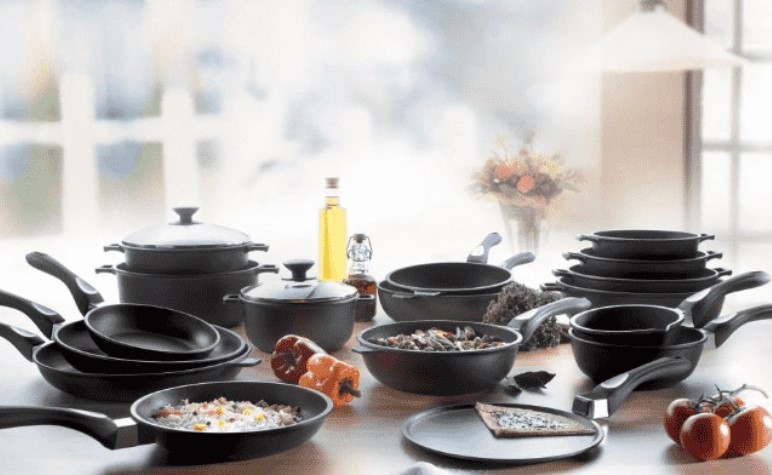
How to Choose the Best Non-Stick Pan?
Read all about choosing the best non-stick pan, the advantages and disadvantages of non-stick surfaces, and a comparison of some modern materials.
3. Gentle cleaning
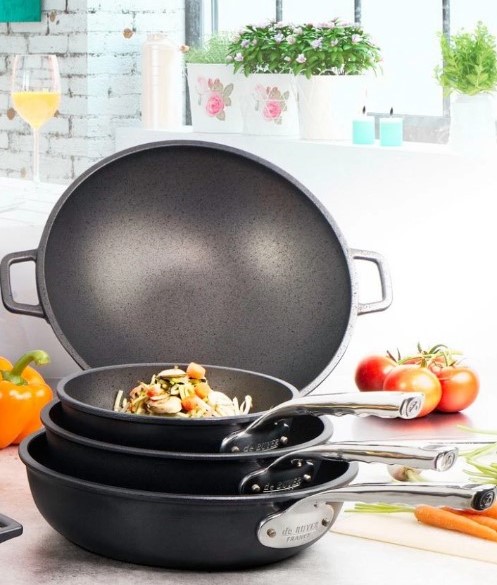
The golden rule of caring for non-stick pans: do not wash them in the dishwasher. High temperatures and abrasives in dishwasher tablets damage the pan's surface, and with prolonged washing in the dishwasher, it is almost certain that the pan will soon be unusable. Instead, give the pan a gentle hand wash – warm water, detergent and the soft side of a sponge will easily cope with most cases. Also, after cooking, allow the pan to cool completely before you start cleaning it. Sudden temperature changes are not good for the non-stick coating.
And if you do need a bit of extra force when there are stuck-on bits on the pan that you can't remove with a sponge, don't reach for the wire wool. Instead, try the following:
- Pour a little water into the pan and bring it to a boil on the hob over a medium heat.
- Use a wooden or nylon spatula to try to remove the burnt-on residue.
- If you can't get rid of the burnt-on food in some places, add three tablespoons of vinegar and three tablespoons of baking soda to the hot water in the pan and let it bubble for a while.
- Vinegar and baking soda should be able to handle even the most stubborn burnt-on food.
- Turn off the hob and let the pan and its contents cool down.
- Then, just wash the pan with a soft sponge and detergent, and dry it.
4. Proper storage
If you're putting your pans away in cupboards and stacking them, it's important to prevent contact between the metal base of the pan and the non-stick coating. You can use special pan protectors for this, or a cotton cloth or tea towel will do. This prevents the non-stick coating from being damaged during storage.
In conclusion...
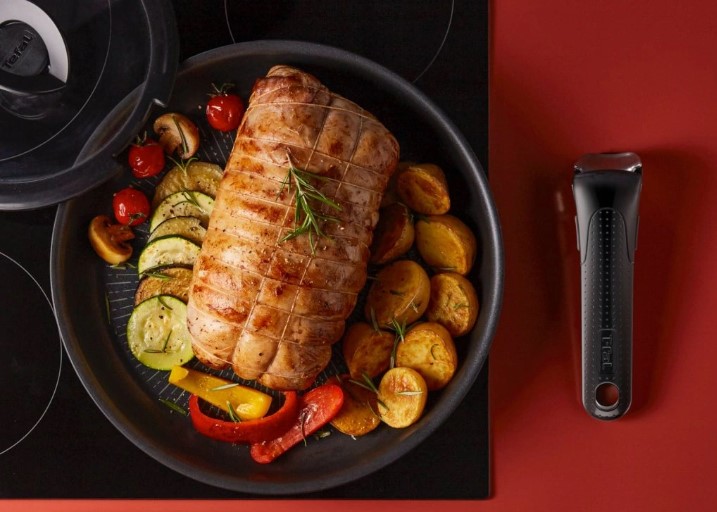
By following all the correct care instructions, you can extend the life of your non-stick pan many times over. In our opinion, that's a result that's worth the effort. So, next time you invest in a quality non-stick pan, you can do so knowing that you'll enjoy it for much longer this time.