
Did you know that the correct knife length, more specifically the blade, is crucial for efficiency and comfort when preparing food? Each knife is suitable for something different. We'll advise you on how to navigate knives of different lengths and how to choose the right one.
How to choose the right knife length

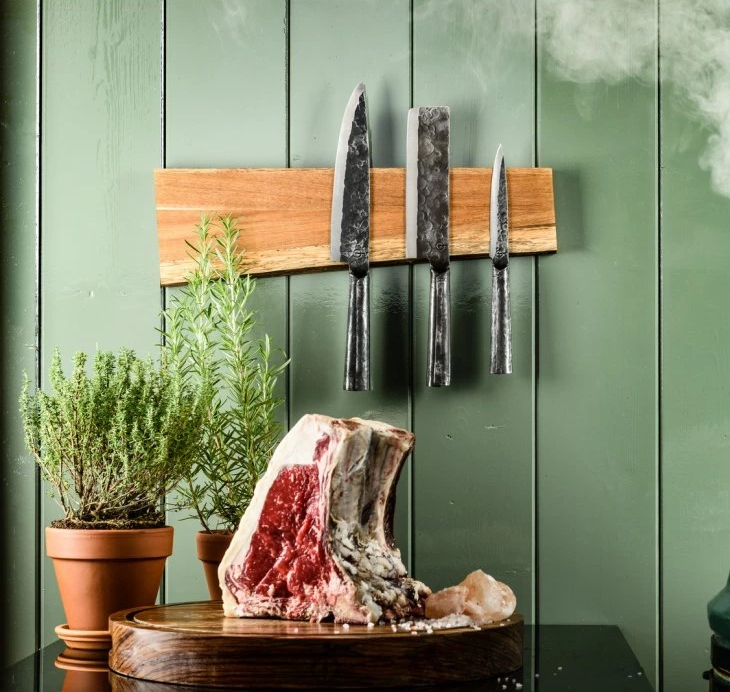
5 Essential Steps for Choosing the Right Knife Length
- How does it feel in your hand?
We're talking about a chef's knife here, because choosing the right length is crucial in this case. We have a simple tip for you: the ideal knife for you should have a blade that is roughly the same length as the distance from your elbow to your wrist (if you are ordering online, use a tape measure). Remember that the length stated for knives is always the length of the blade, not the entire knife. So it's quite possible that you'll need two chef's knives for your household - one for her and one for him. We know much more about chef's knives, read about it here. - What will you be cutting?
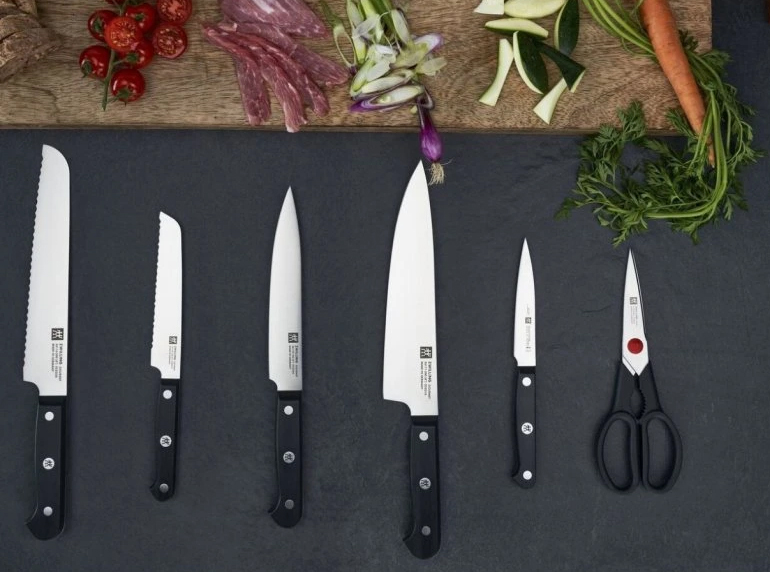
If you're unsure, opt for a medium-sized universal knife. As it will be a versatile assistant. Otherwise, the basic equipment of every kitchen should include a medium chef's knife, a short vegetable knife and a long bread knife. - Where do you cut?
It's simple maths - you need a proper chopping board and space for a longer knife, while you can work anywhere with a smaller and medium knife. - Are you a fan of sushi, fish, or cheese?
Then you'll need several specialised knives of different lengths. - How much care do you give it?
Different knife lengths may require different maintenance and sharpening. For example, long bread knives with serrated edges are more difficult to sharpen than short vegetable knives. Choose a knife length that you can easily keep sharp and clean. Read more about proper knife maintenance.
Short Knives
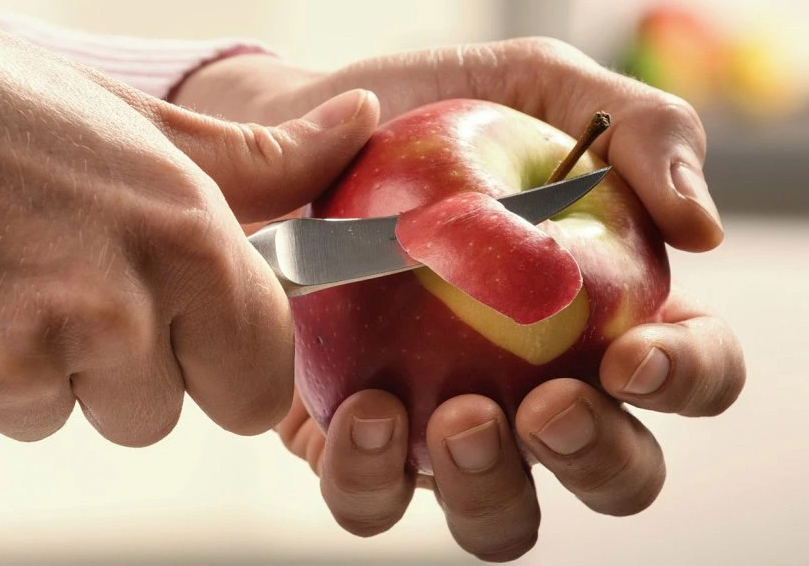
Short knives, with a blade of up to 10 cm, are designed for precise and detailed work. Thanks to their small size and lightness, they provide excellent control when cutting, trimming, peeling or decorating. Typical examples of short knives:
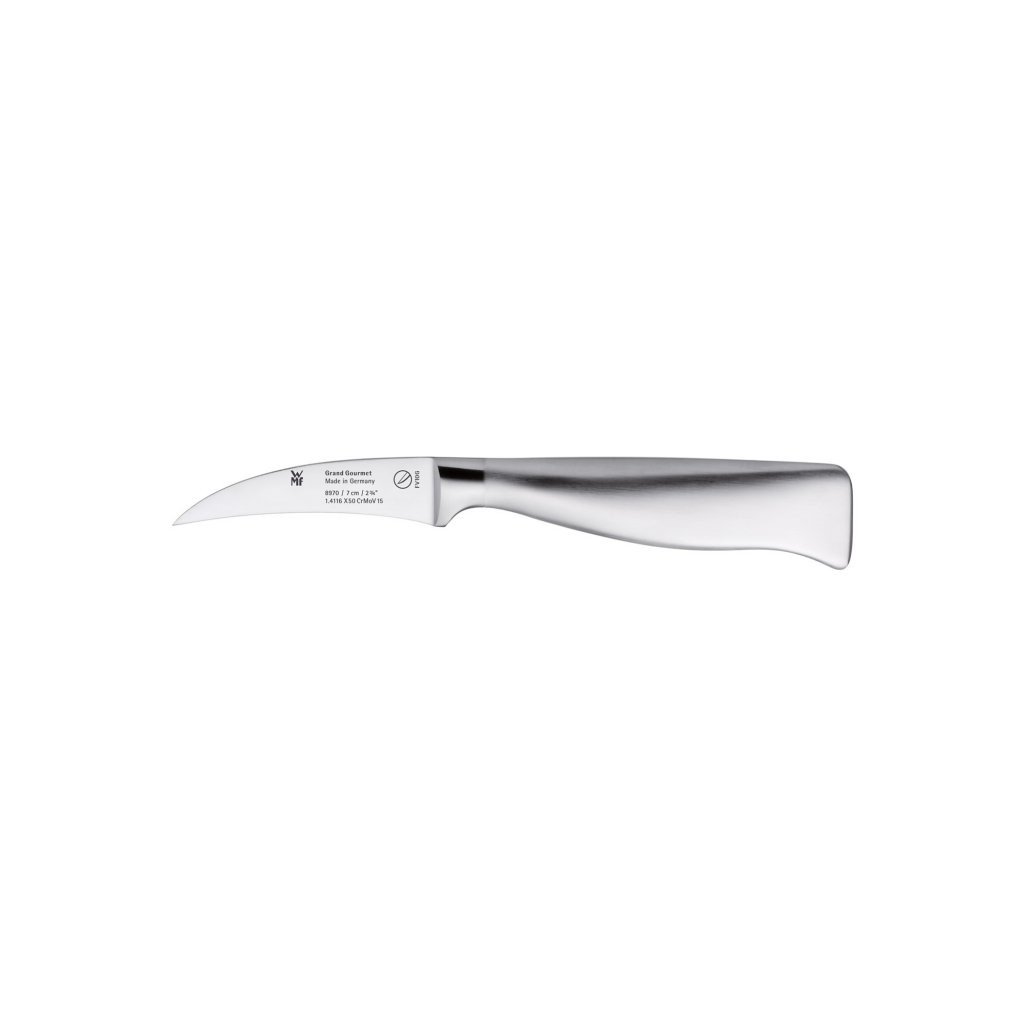
Paring Knives
They are ideal for peeling or portioning small fruits and vegetables. Thanks to the short and sharp blade, they offer precision and easy handling.
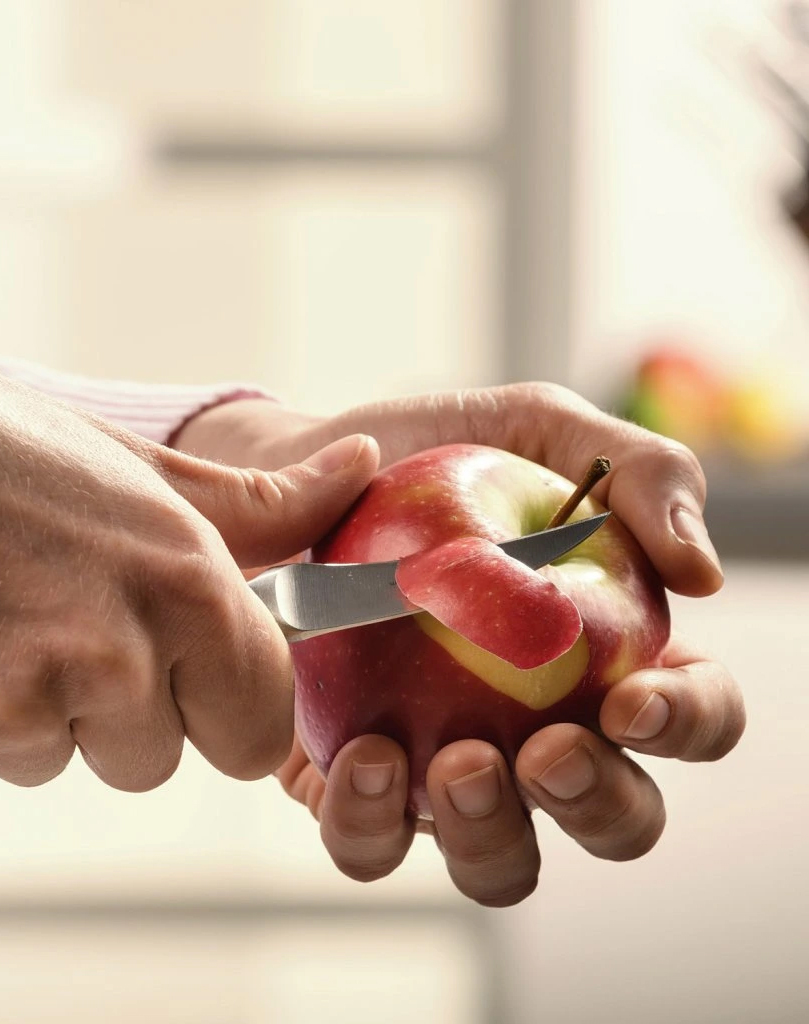
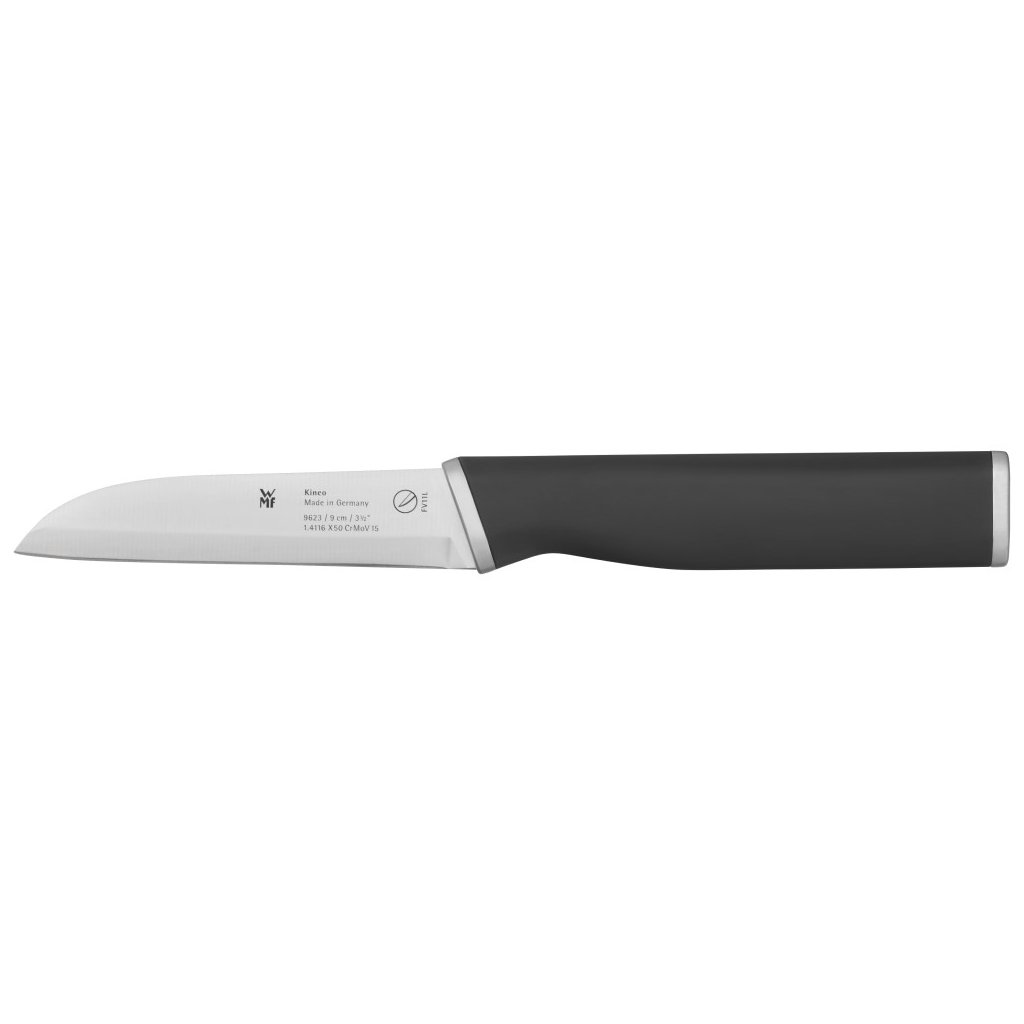
Paring knives
They have a thin, sharp blade, sometimes with unique shapes or a serrated edge, which allows for precise cuts. They are also suitable for decorating.
Best paring and peeling knives
Our tip
Read also

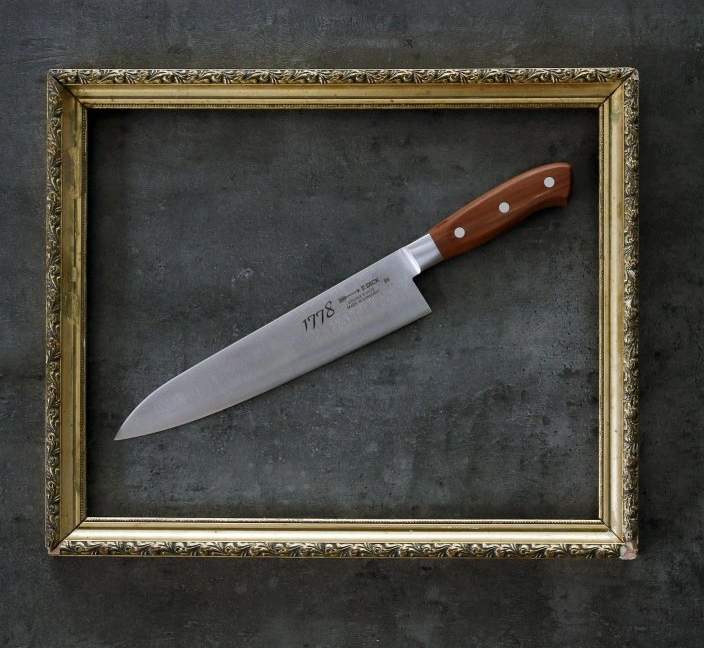
Why Invest in Quality Knives?
Did you know that knives made from quality materials stay sharp longer and are much more comfortable to cut with? We'll advise you on which knives to invest in, and where you can save money.
Medium-length knives
Medium-length knives, with blade lengths between 10 and 20 cm, can come in several forms, each finding its unique application in the kitchen. Typical examples of medium-length knives:
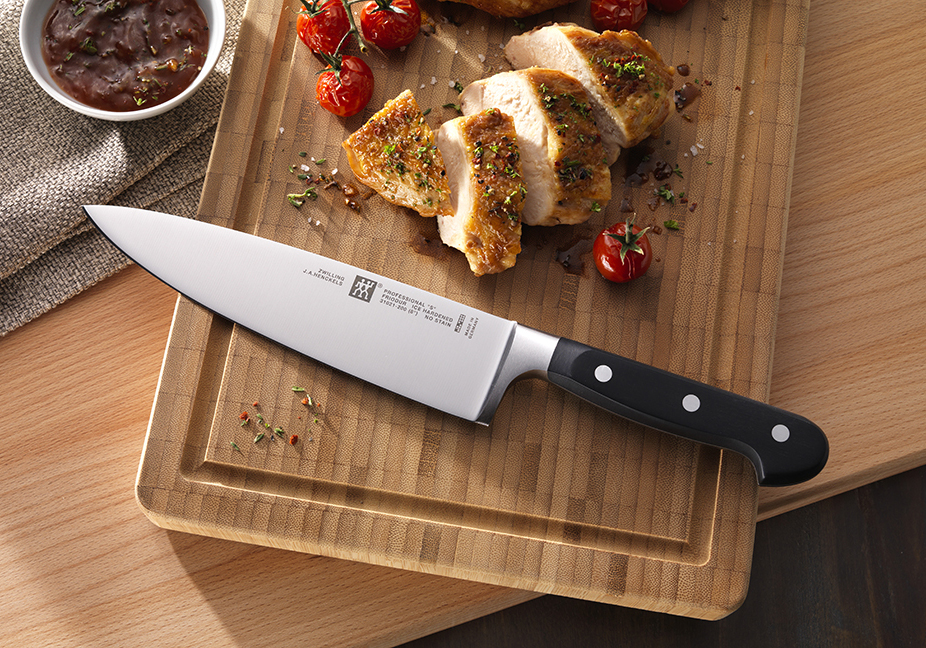
Chef's or santoku knives
These are versatile tools suitable for a variety of kitchen tasks, such as cutting meat, vegetables, fruit, etc. They offer a balanced combination of control and power. They are so versatile that they are appreciated by both beginners and professionals, and therefore should not be missing in any kitchen. Read about how to choose a chef's knife.
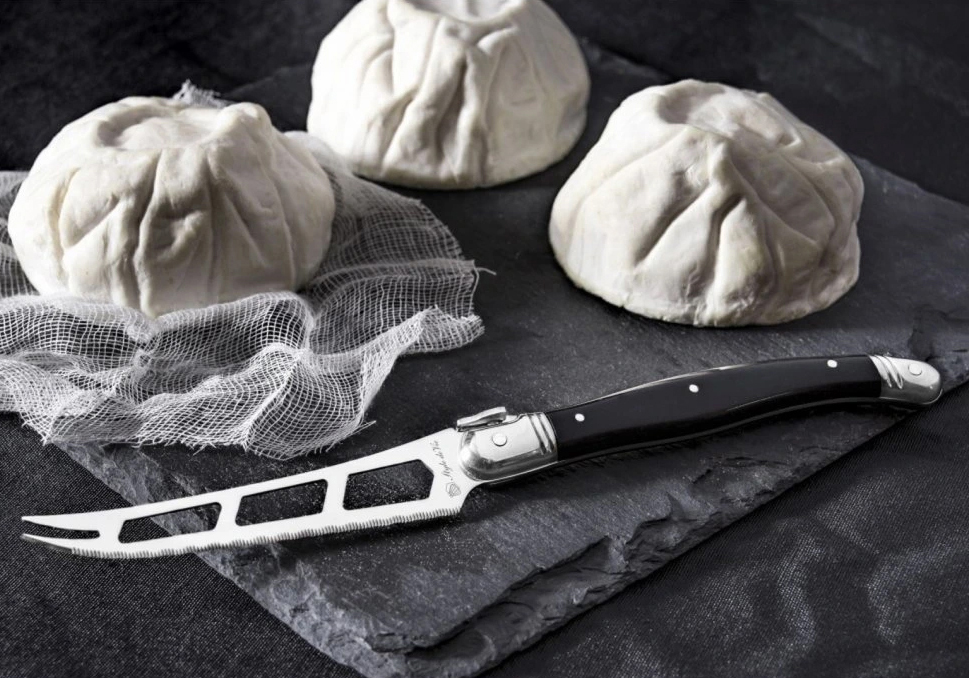
Cheese knives
Cheese knives have a specific blade that is often perforated to prevent cheese residue from sticking to it and to ensure smooth cutting. Knives with serrated blades are ideal for harder cheeses, such as cheddar, while straight blades are better for soft cheeses, where precision cutting is important.
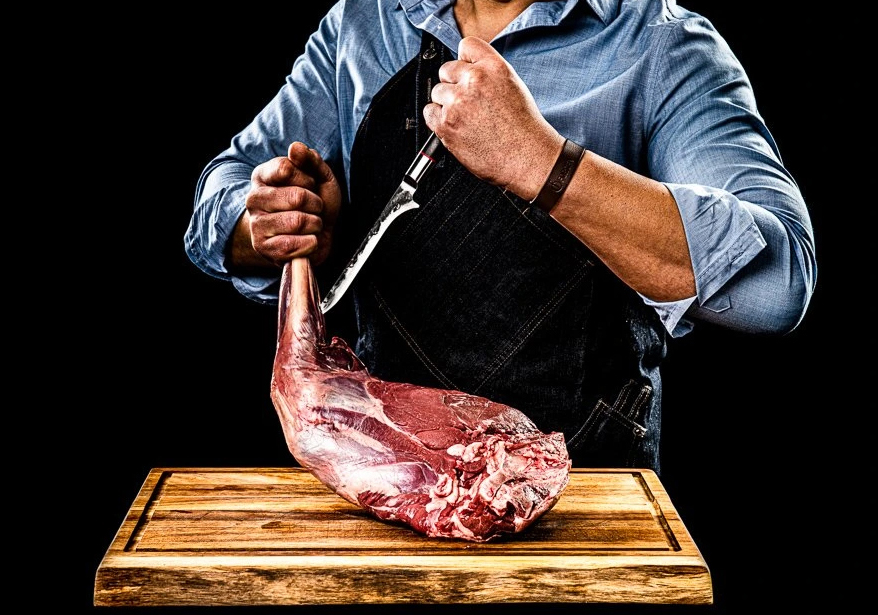
Boning knives
They are designed for removing bones from meat and fish. These tasks require precision and control, so they have a narrow, flexible and sharp blade that allows easy manoeuvring around bones and tendons. Read how to choose the right carving knife.
Most popular medium-length knives based on customer ratings
Long knives
Long knives, with blades longer than 20 cm, offer a wide cutting surface, making them suitable for portioning large pieces of food. Typical examples of long knives:
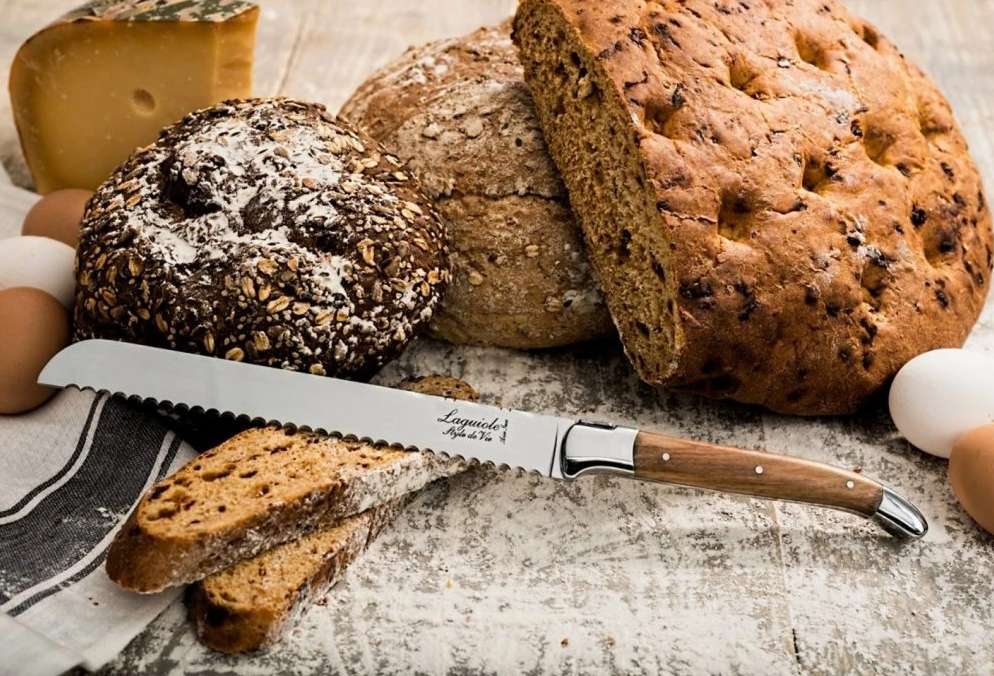
Pastry knives
They are an essential tool that should be in every kitchen. They have a long, robust blade with distinctive serrations that can penetrate the firm crust of bread or other baked goods without causing them to crumble or otherwise disrupt their structure.
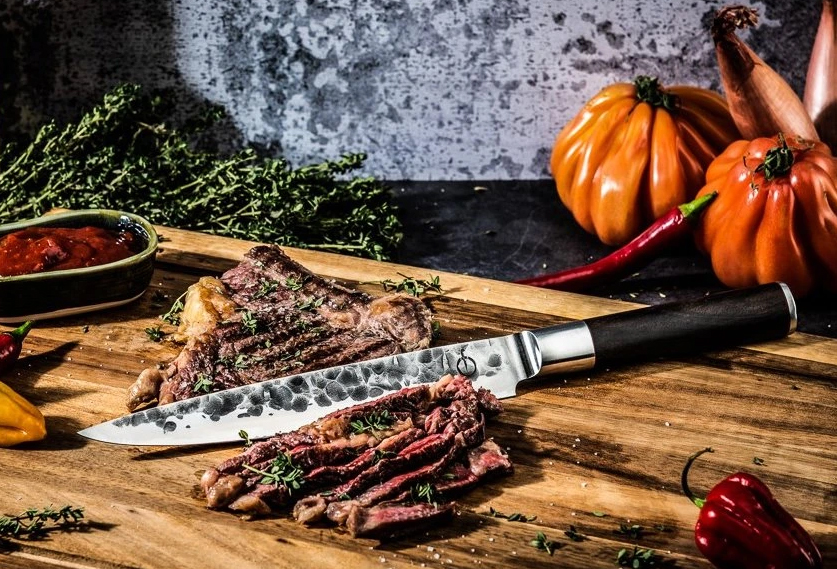
Fillet Knives
They are specialised tools for precisely portioning fish and other types of meat. They have a long, thin and flexible blade that allows smooth gliding along bones and leather.
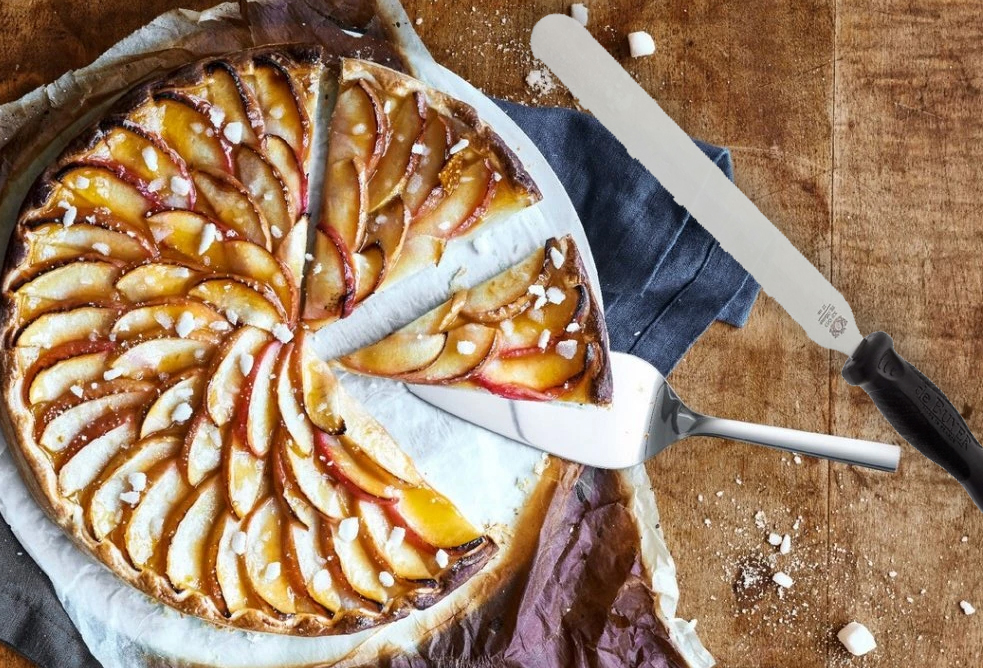
Pastry knives
These knives are designed for easy cutting and serving of cakes or desserts. They have a long, thin and often serrated blade that allows clean and even cuts without damaging the cake's structure.
Best-selling long knives
What are the advantages and disadvantages of knives by length
Short Knives
- Precision, control, suitable for detailed work.
- Limited use for processing larger ingredients.
Medium knives
- Versatility, comfortable use for most tasks.
- Not ideal for extremely detailed work.
Long knives
- Efficiency when cutting large volumes of food.
- More difficult handling for delicate work.
FAQ
Most frequently asked questions
What is the ideal knife length for everyday use?
The ideal knife length for everyday use is 15-20 cm. These knives are versatile and suitable for most kitchen tasks, from cutting vegetables to portioning meat.
When is it appropriate to use a short knife?
Short knives, with a blade length of up to 10 cm, are ideal for fine and precise work, such as peeling, cutting small fruits and vegetables, and also for decorative finishes. This guarantees excellent control and precision.
Are long knives more difficult to use?
Long knives (over 20 cm) can be more demanding in terms of handling and coordination, not only because of their length but also because of their weight. However, they are very effective when cutting large pieces of meat, fish, and vegetables, or even baked goods.
Can I use the same knife for all kitchen tasks?
Yes, some knives, such as chef's knives or santoku knives, are completely versatile. However, you will always achieve the best results by using specialist knives.
What length of knife do I need for cutting bread?
Bread knives usually have a blade length of 20 cm or more. Their serrated blade allows smooth cuts even through the hard crust and soft inside of the bread.
Is the length of the knife important when cutting vegetables?
Yes, the length of the knife can affect the efficiency and precision when cutting vegetables. Short knives (up to 10 cm) are suitable for peeling and cutting small fruits. Medium-length knives (10-20 cm) are versatile and ideal for cutting most types of vegetables.
Is it a good idea to have multiple knives of different lengths in one kitchen?
Yes, it's useful to have at least four different types of knives in every kitchen. Each knife is designed for specific tasks, ensuring more efficient and safer food preparation.